
Application Solution
Cable Bundling Solutions for Industrial Wiring, Panels and Outdoor Cable Routes
Practical cable tie and fastening solutions for organizing cable bundles in electrical panels, telecom racks, solar routes, HVAC equipment, marine trays, machinery, and general industrial wiring.
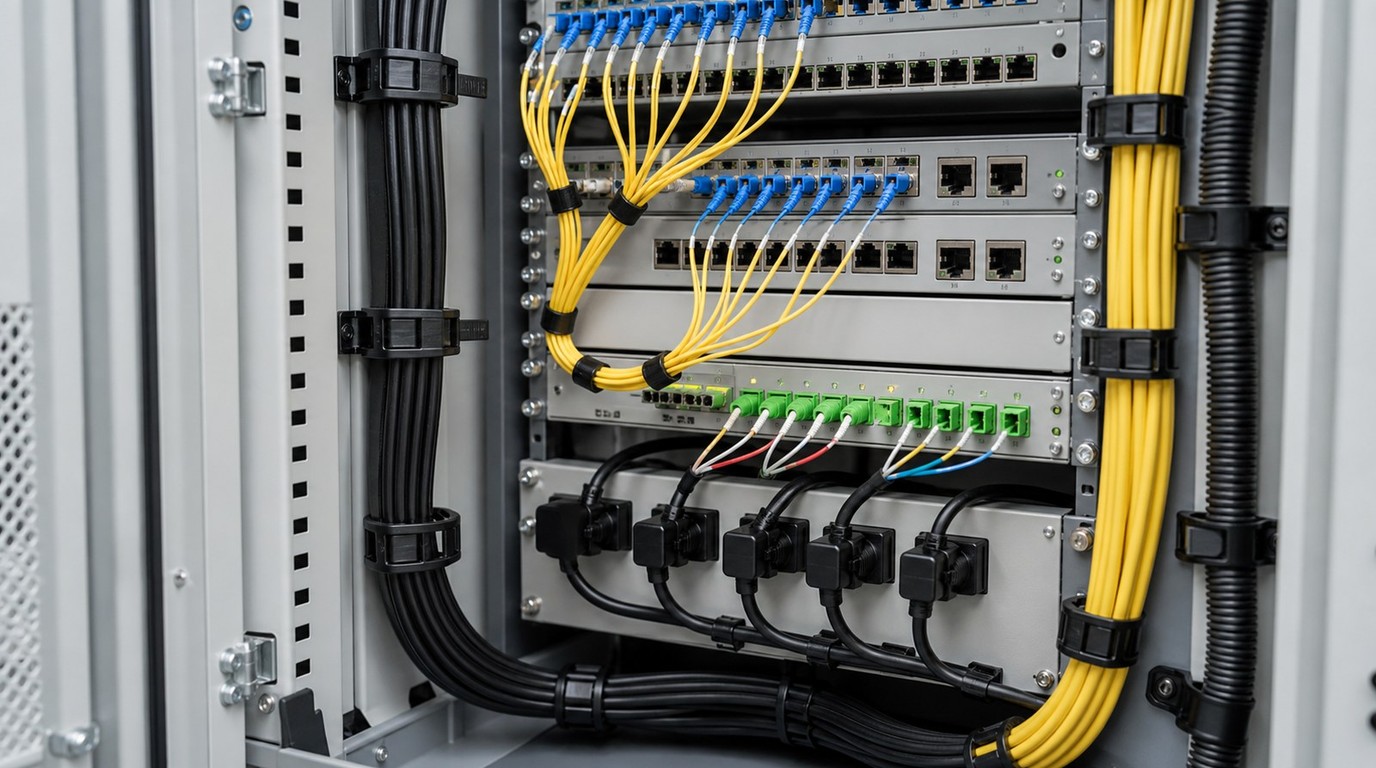
Application visual: organized cabinet cable bundles showing the page direction for cable grouping and maintenance access.
Procurement Snapshot
Best Fit Buyers
Electrical contractors, control panel builders, telecom installers, solar EPCs, MRO teams, machinery OEMs, and industrial distributors.
Main Decision Factors
Bundle diameter, tensile strength, service access, UV exposure, temperature, fire rating, vibration, edge protection, and installation speed.
Documents to Request
Material grade, tensile data, operating temperature, UV/flame rating where needed, RoHS/REACH, and sample packs.
Common Order Format
Mixed cable bundling kits, maintenance packs, project cartons, color-coded sets, and private-label packaging.
Application Introduction
Cable bundling is one of the most common uses for cable ties, but the right product depends on the cable type and working environment. A neat bundle should improve routing, identification, airflow, and service access without crushing insulation or creating future maintenance problems.
For ordinary electrical wiring, nylon cable ties are efficient and economical. For frequently serviced bundles, releasable or hook-and-loop ties are better. For outdoor, hot, or corrosive areas, UV-resistant nylon or stainless steel ties may be required.
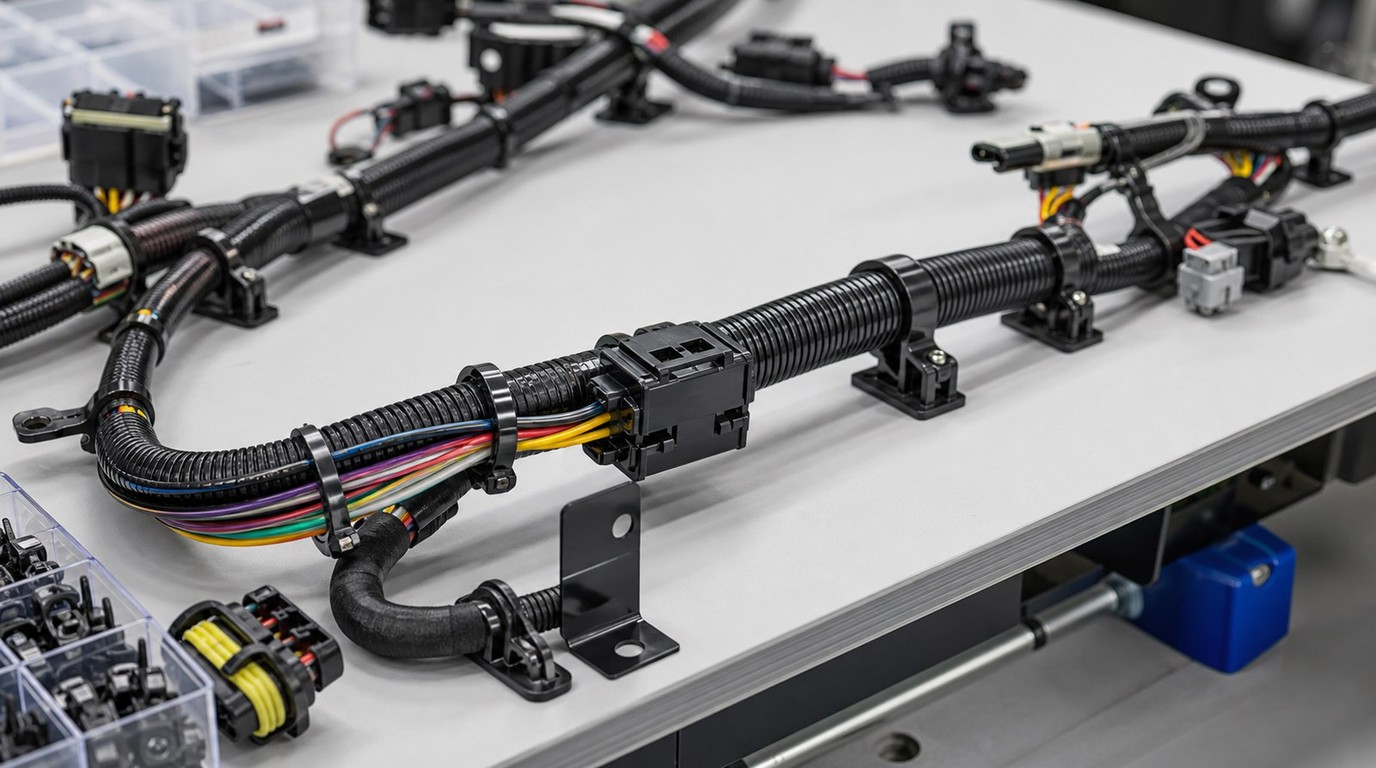
Application visual: cable harness routing should preserve access, bend radius, and clear grouping.
Application Pain Points
Loose Cable Routes
Uncontrolled cables sag, cross service paths, and make electrical panels or equipment harder to inspect.
Over-Tightening
Incorrect tension can crush insulation, deform patch cords, or damage sensitive cables.
Wrong Material
Indoor nylon ties fail early when used outdoors, near heat, or in corrosive environments.
Slow Maintenance
Permanent ties in high-service areas create unnecessary cutting, waste, and rework.
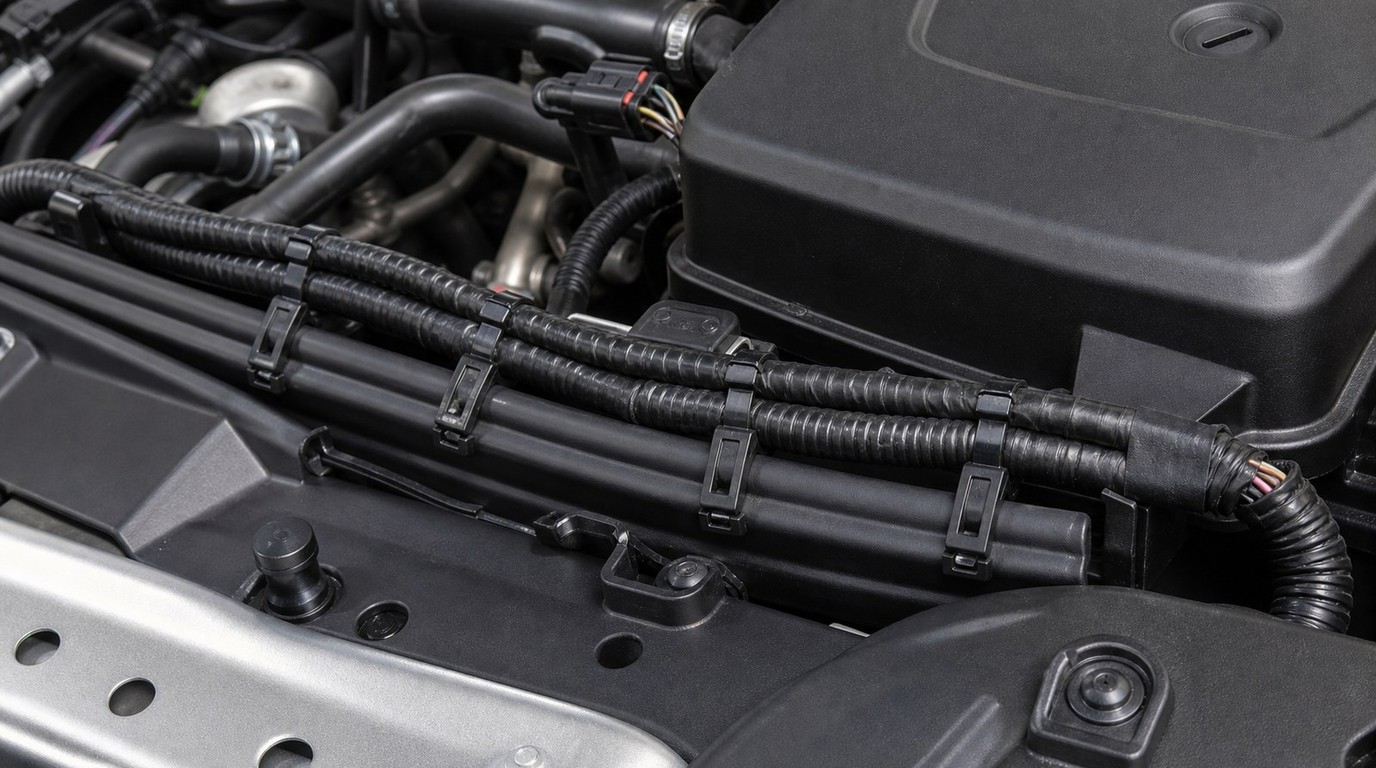
Equipment routing visual: cable bundles need secure support spacing and correct material choice by environment.
On-Site Problem Analysis
Bundling failures usually come from using the same tie for every job. Small indoor wire groups, rack patch cords, rooftop cables, hot equipment routes, and metal cable trays all need different choices.
- Indoor panels: standard nylon ties work when tension and routing are controlled.
- Service areas: releasable ties reduce cutting and rework.
- Data racks: hook-and-loop ties are safer for patch cords and frequent changes.
- Outdoor or harsh routes: UV black nylon or stainless steel improves service life.
Recommended Solution
Use a bundle-type selection method. Match the tie to cable sensitivity, environment, and maintenance frequency. Standard nylon ties are suitable for many general bundles. Releasable ties support service access. Hook-and-loop ties protect patch cords and fiber-friendly routes. Stainless steel ties are used for high-strength, hot, or severe-duty areas.
Standard Nylon Ties
For general wire harnesses, panels, machinery, and indoor industrial cable grouping.
UV Black Ties
For outdoor cable routes, rooftop equipment, solar, telecom, and weather-exposed bundles.
Releasable / Hook-and-Loop
For maintenance areas, rack cabling, patch cords, and frequent changes.
Stainless Steel Ties
For marine, high-temperature, corrosive, or severe-duty cable tray routes.
Solution Selector
Use this table to choose a cable bundling product by cable type and site condition.
| Bundling Need | Recommended Choice | When to Use |
|---|---|---|
| General indoor wire bundle | Standard nylon cable tie | Use for panels, machinery, appliances, and general electrical cable grouping. |
| Outdoor exposed bundle | UV-resistant black nylon tie | Use for solar, telecom, rooftop, and weather-exposed routes. |
| Frequently serviced bundle | Releasable tie or hook-and-loop tie | Use where cables need inspection, replacement, or frequent re-routing. |
| Hot, metal, or corrosive route | Stainless steel cable tie | Use for high-temperature, marine, heavy-duty, or harsh industrial environments. |
Product Combination
Product images below are page-exclusive visuals for product identification. Application visuals are separated and are not presented as customer case photos.
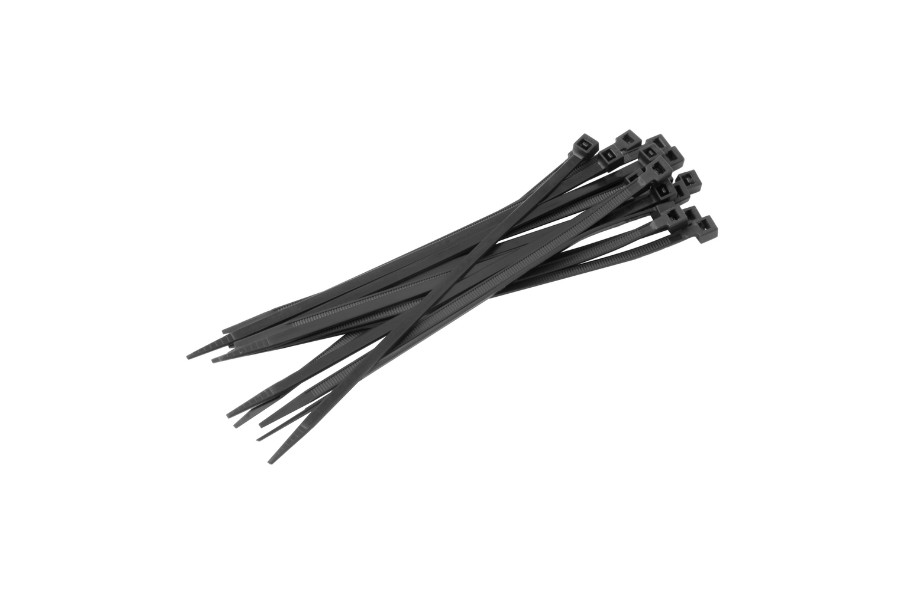
UV Black Nylon Tie
For outdoor bundling, rooftop wiring, solar cable routes, and telecom equipment.
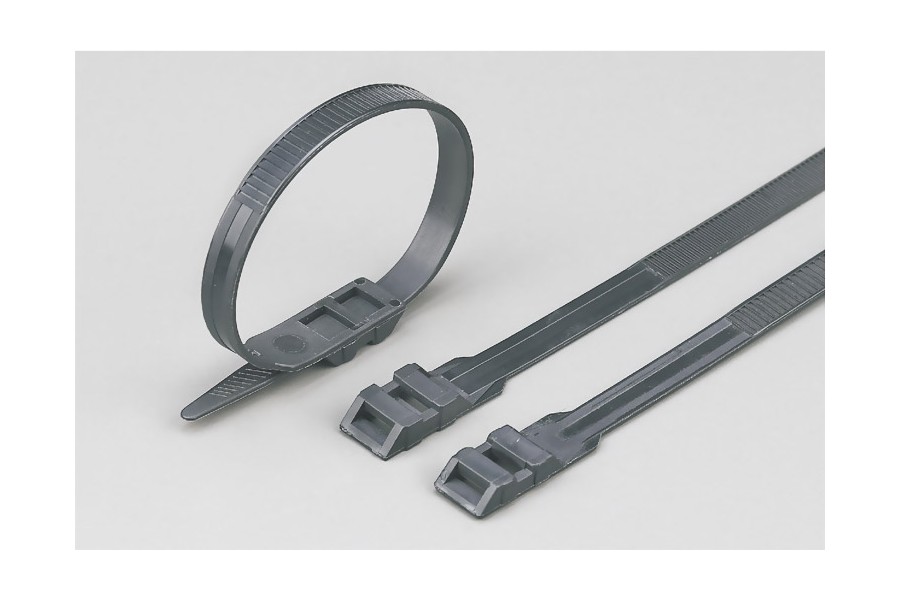
Releasable Cable Tie
For maintenance bundles, service loops, and repeat access cable routing.
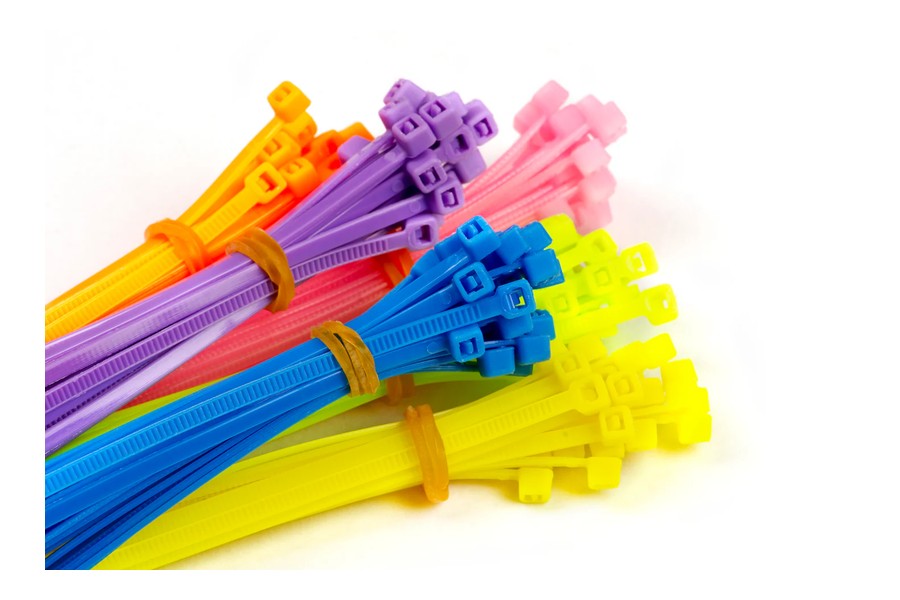
Hook-and-Loop Tie
For patch cords, sensitive cables, fiber-friendly routes, and frequent rework.
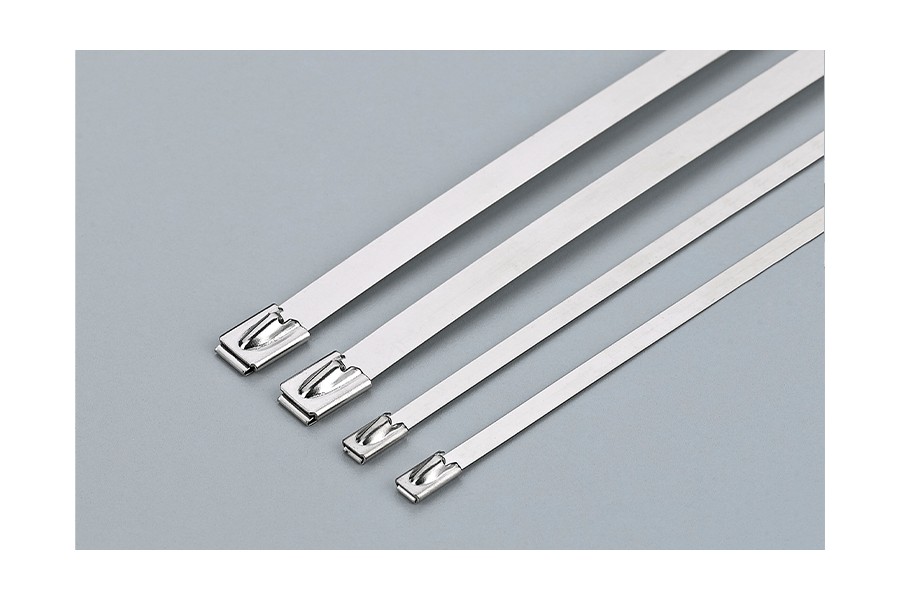
Stainless Steel Tie
For high strength, heat, metal tray, marine, and harsh industrial cable routes.
| Application Zone | Recommended Products | Purpose |
|---|---|---|
| Electrical panels and machinery | Standard nylon ties, marker ties | Neat grouping and readable maintenance paths |
| Outdoor routes | UV-resistant black nylon ties | Longer service life under sunlight and weather |
| Rack and service cable bundles | Hook-and-loop ties, releasable ties | Soft retention and easy rework |
| Harsh cable trays | Stainless steel ties | High-strength fixing in hot, corrosive, or severe-duty areas |
Product Parameters
| Product Type | Material / Design | Performance Focus | Typical Use |
|---|---|---|---|
| Standard nylon tie | PA66, black/natural/color | Cost-effective general cable grouping | Panels, wire harnesses, machinery |
| UV black nylon tie | UV-stabilized PA66 | Outdoor sunlight and weather resistance | Solar, telecom, rooftop routes |
| Releasable tie | PA66 with release tab | Reusable access and reduced rework | Service loops, maintenance bundles |
| Hook-and-loop tie | Fabric hook-and-loop | Soft, reusable, patch-cord friendly | Data racks, sensitive cables |
| Stainless steel tie | SS304 / SS316 | Heat, strength, corrosion resistance | Marine, high temperature, cable trays |
For sensitive cables, always control tension and preserve bend radius. Do not over-tighten cable bundles.
Recommended SKU Set
| Suggested SKU | Product Role | Typical Spec Direction | Recommended Use |
|---|---|---|---|
| CT-BUNDLE-PA66 | General cable tie | PA66, black/natural/color, selected length | Indoor electrical panels and machinery bundles |
| CT-BUNDLE-UV | Outdoor cable tie | UV-resistant black PA66 | Outdoor equipment, rooftop, solar, telecom routes |
| CT-BUNDLE-REL | Serviceable cable tie | Releasable PA66, medium/heavy duty | Service loops and maintenance bundles |
| CT-BUNDLE-HL | Soft reusable tie | Hook-and-loop strap | Patch cords, fiber-friendly routes, frequent changes |
| CT-BUNDLE-SS | Severe-duty tie | SS304 / SS316 | High-temperature, marine, and harsh cable tray routes |
Installation Steps
- Measure bundle diameter: choose tie length and tensile class with enough wrap allowance.
- Check cable sensitivity: use soft or releasable ties for patch cords, fiber, and frequently changed bundles.
- Choose material: match PA66, UV nylon, hook-and-loop, or stainless steel to the environment.
- Apply correct tension: retain the bundle without crushing insulation or changing bend radius.
- Trim safely: cut nylon tie tails cleanly and avoid sharp edges near cable jackets.
- Leave service access: keep labels, connectors, filters, panels, and inspection paths visible.
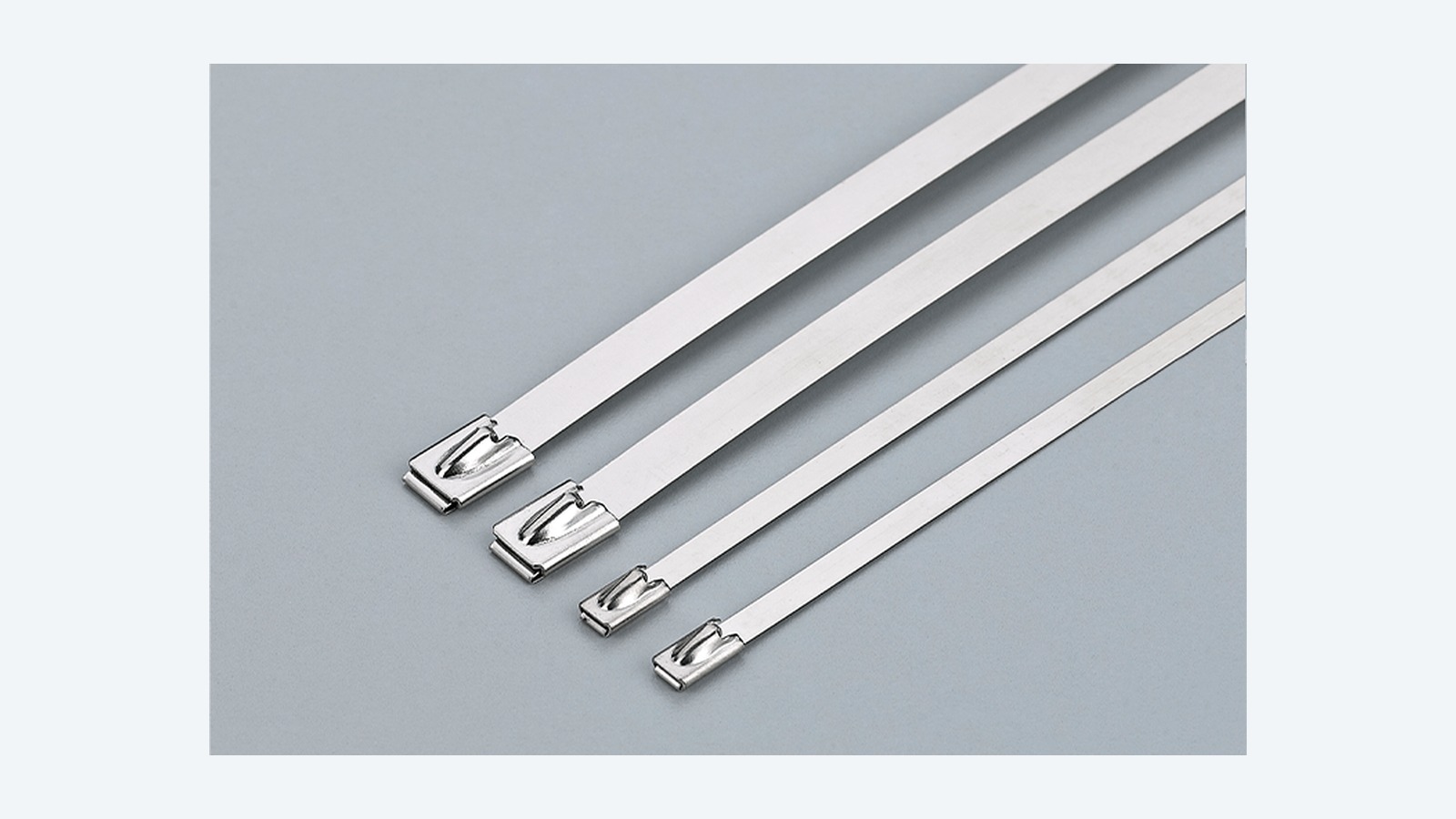
Severe-duty product visual: stainless steel ties are selected when heat, corrosion, or tensile-strength requirements exceed nylon ties.
Field Case
Creating a Mixed Cable Bundling Kit for Maintenance and Installation Teams
Application: General cable bundles across panels, racks, outdoor routes, and harsh equipment areas.
Problem: One basic nylon tie was being used everywhere, causing outdoor aging, unnecessary cutting during maintenance, and over-tightening in sensitive cable areas.
Solution: CableTiesMFG recommended a mixed kit: standard nylon ties for general bundles, UV black ties for outdoor routes, hook-and-loop or releasable ties for service areas, and stainless steel ties for severe-duty routes.
Result: Installers had clearer product choices by zone, reduced rework, and improved cable organization.
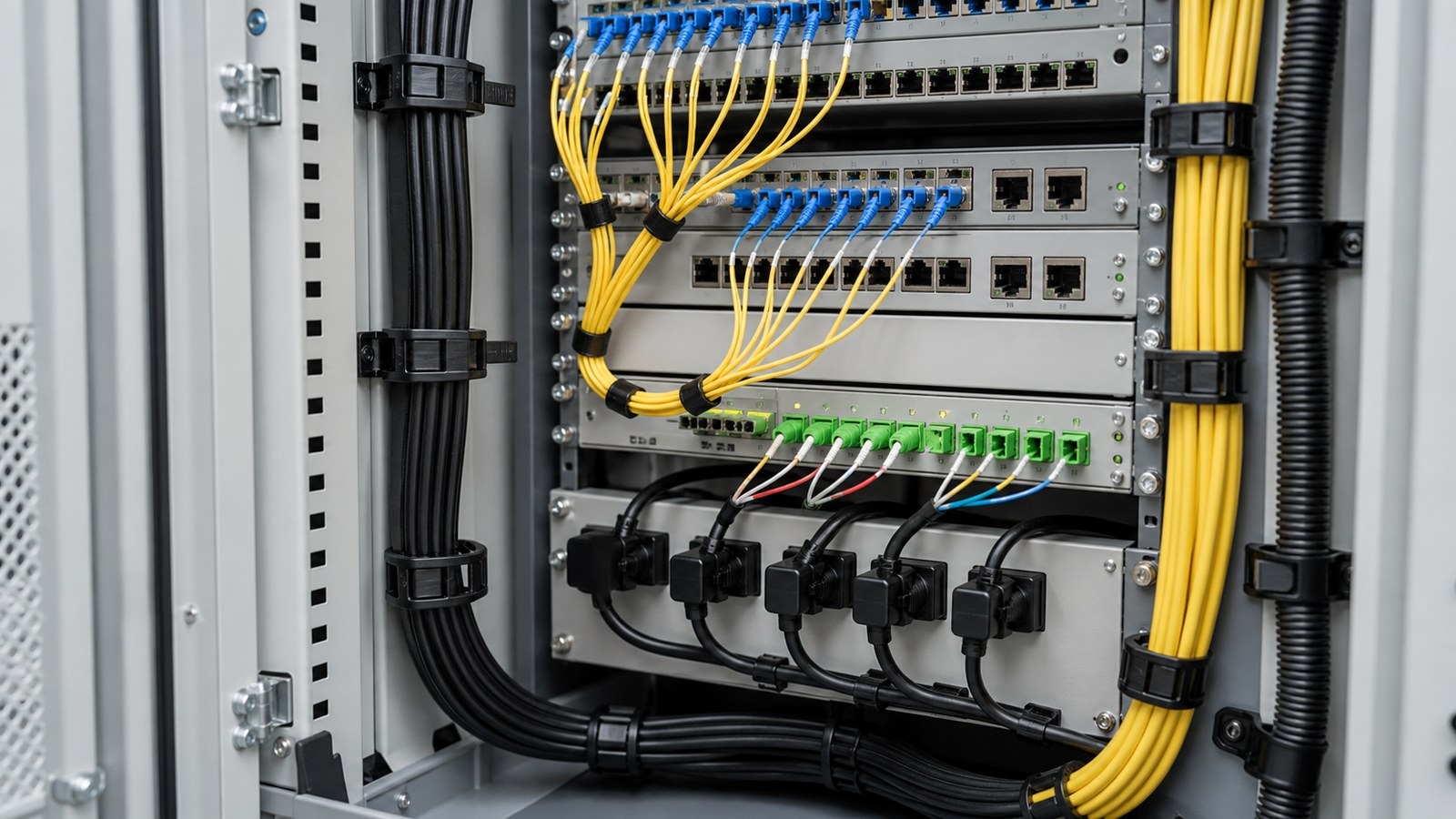
Application visual: organized cabinet cable routes show how mixed cable tie kits support grouping, service access, and maintenance clarity.
Why Choose CableTiesMFG
Complete Tie Range
Standard nylon, UV black, releasable, hook-and-loop, marker, colored, and stainless steel ties.
Application Matching
Guidance by bundle type, cable sensitivity, environment, and service frequency.
Project Kits
Mixed packs for installers, maintenance teams, OEMs, distributors, and private-label supply.
Documentation Support
Material grade, tensile data, UV/flame options, RoHS/REACH, and sample pack support.
FAQ
What cable tie is best for general cable bundling?
For ordinary indoor wire bundles, standard PA66 nylon cable ties are usually suitable. For outdoor, hot, corrosive, or serviceable areas, choose a more specific tie type.
Can nylon cable ties damage cables?
Yes, if over-tightened or used on sensitive patch cords or fiber. Use controlled tension, correct tie width, and soft hook-and-loop ties where needed.
When should stainless steel ties be used?
Use stainless steel ties for high-temperature, marine, corrosive, metal tray, or severe-duty cable routes.
Do you provide mixed cable bundling kits?
Yes. CableTiesMFG can supply mixed kits with standard nylon, UV black, releasable, hook-and-loop, marker, colored, and stainless steel ties.
Quality & Documentation
Cable bundling purchases are easier when the product choice is tied to material and application requirements.
- Material grade statement
- Tensile strength data
- UV / flame options
- RoHS / REACH statement
- Sample kit support
RFQ Information Needed
Bundle Details
Cable type, bundle diameter, tie length preference, indoor/outdoor route, and sensitivity to compression.
Site Conditions
UV exposure, temperature, vibration, chemicals, corrosion, fire-rating need, service access, and inspection cycle.
Commercial Details
Quantity, mixed kit needs, packaging, color coding, private label, samples, and delivery schedule.
Related Product and Technical Links
Contact Us
Send us your cable type, bundle diameter, tie length, environment, service access needs, and expected quantity. Our team will recommend the right cable bundling tie set for your project.