
Problem Solution
Fire Safety Cable Tie Solutions for Safer Cable Routing
Material selection and installation guidance for cable ties used in electrical cabinets, control panels, data centers, railway equipment, industrial wire ducts and cable routes where flame retardancy, low smoke and safe maintenance access matter.
Problem Introduction
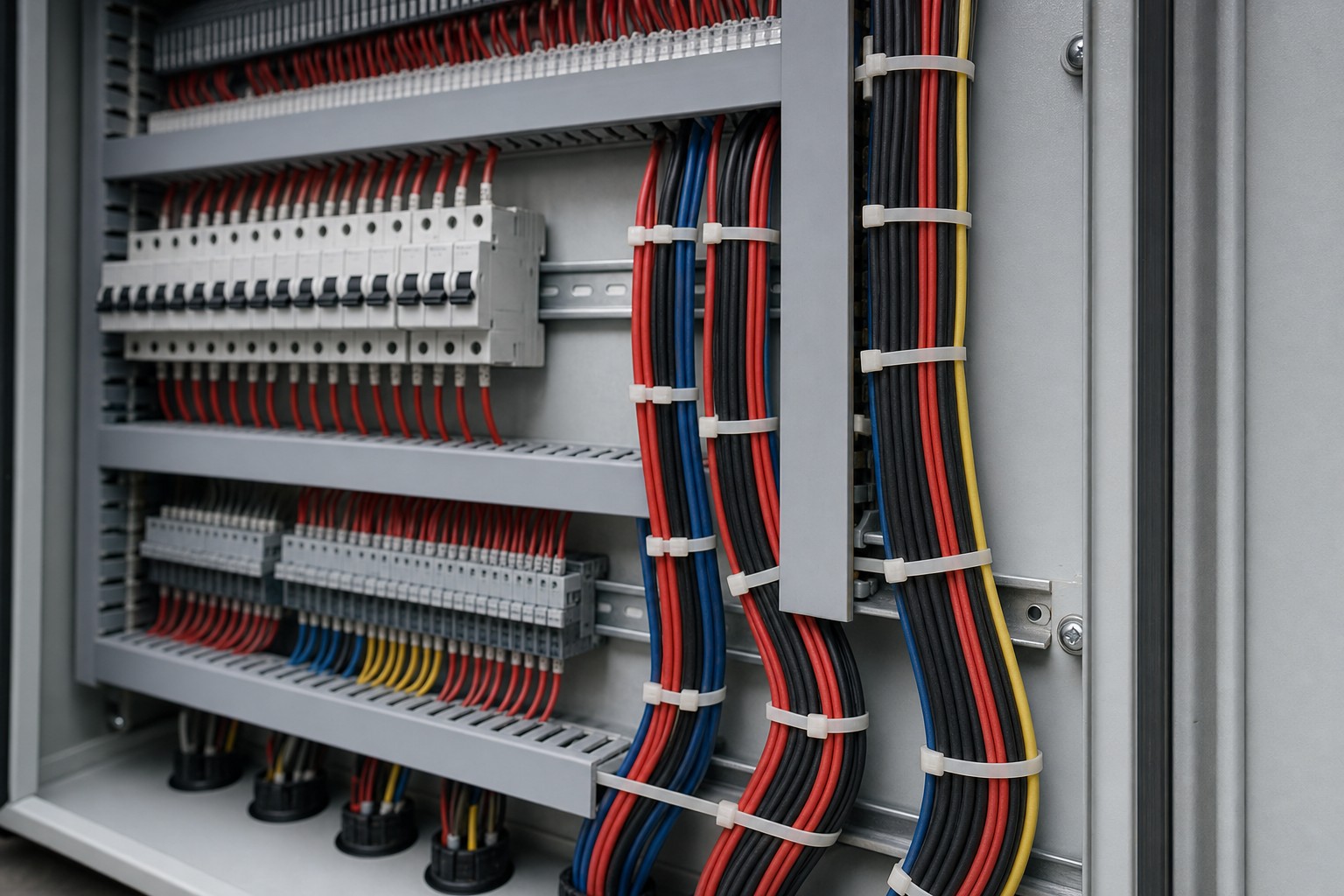
Fire safety in cable management is not solved by one label on a package. It depends on material behavior, cable density, route spacing, heat exposure, airflow, maintenance access and the way each tie holds the cable bundle.
For electrical cabinets, control panels, data centers and railway or industrial equipment, the tie should support the cable route without creating unnecessary heat concentration, loose loops, overloaded bundles or materials that fail too quickly in a hot enclosure.
Field Pain Points
Wrong Material
Standard ties may not meet the flame-retardant or low-smoke requirements expected in enclosed electrical routes.
Overcrowded Bundles
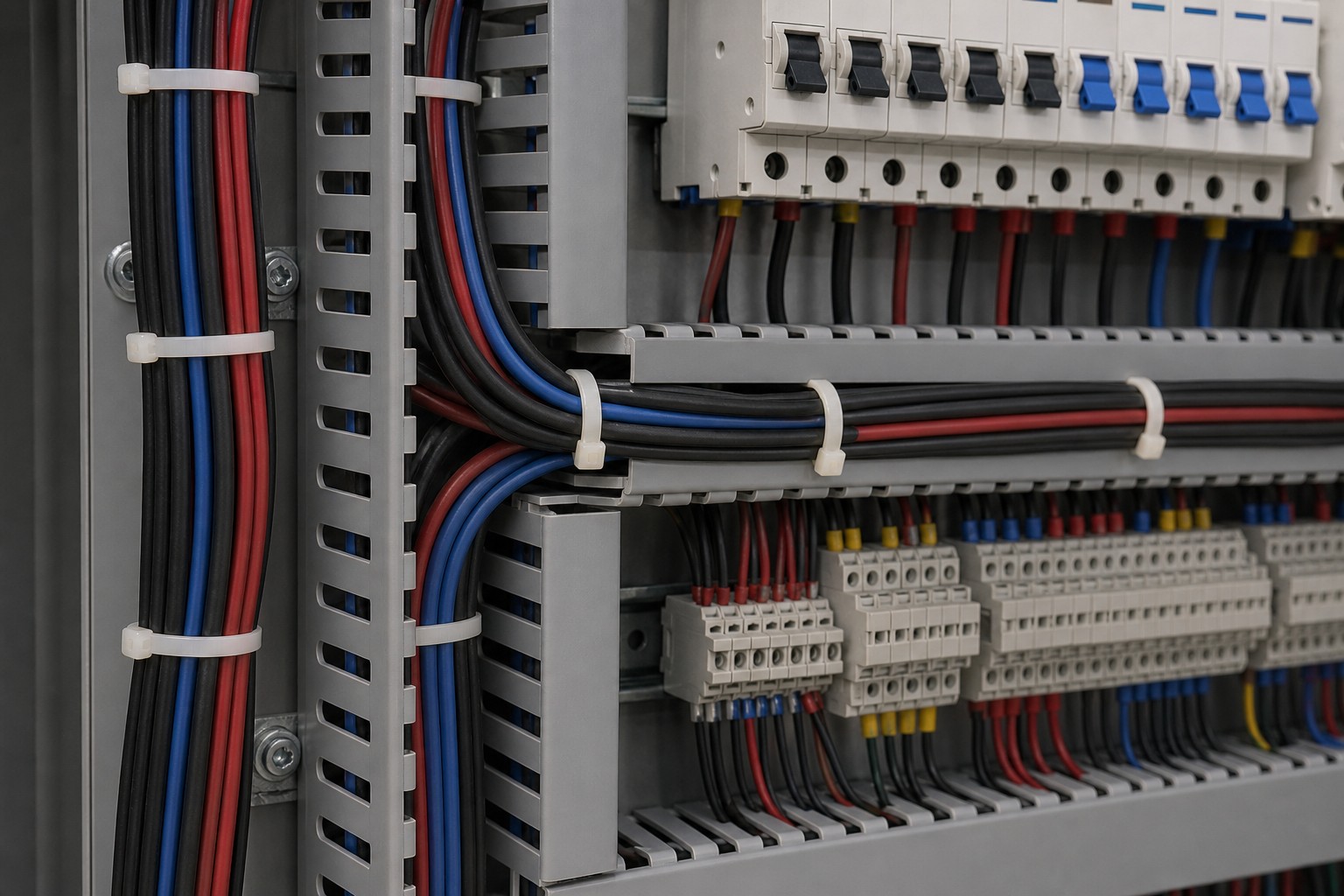
Dense wire groups can trap heat, reduce inspection visibility and make maintenance more difficult.
Loose Cable Paths
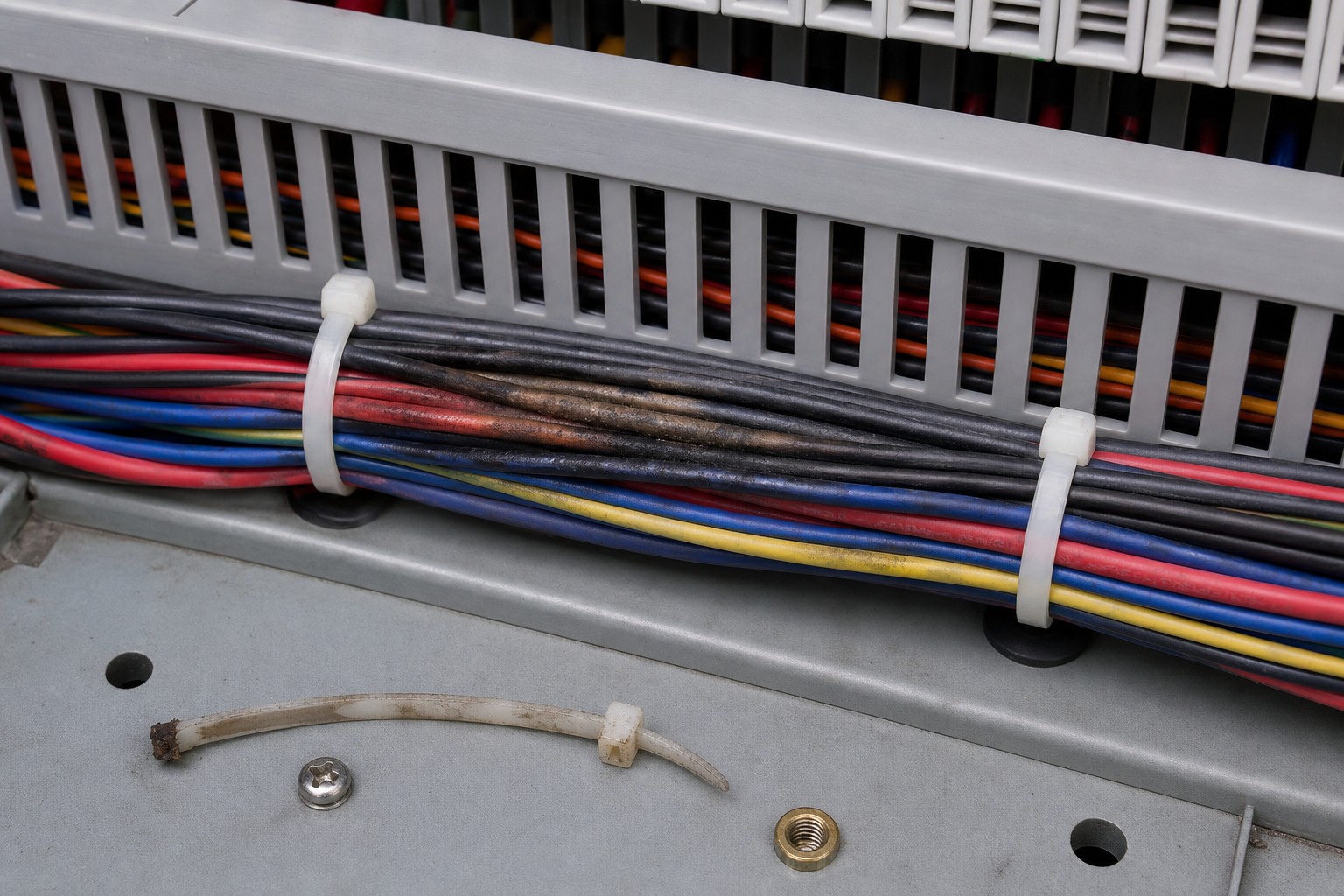
Loose or broken ties allow cables to sag, touch hot parts, block airflow or rub against sharp cabinet edges.
Unclear Selection
Buyers often need nylon, low-smoke, halogen-free or stainless choices separated by zone instead of one generic tie.
On-Site Problem Analysis
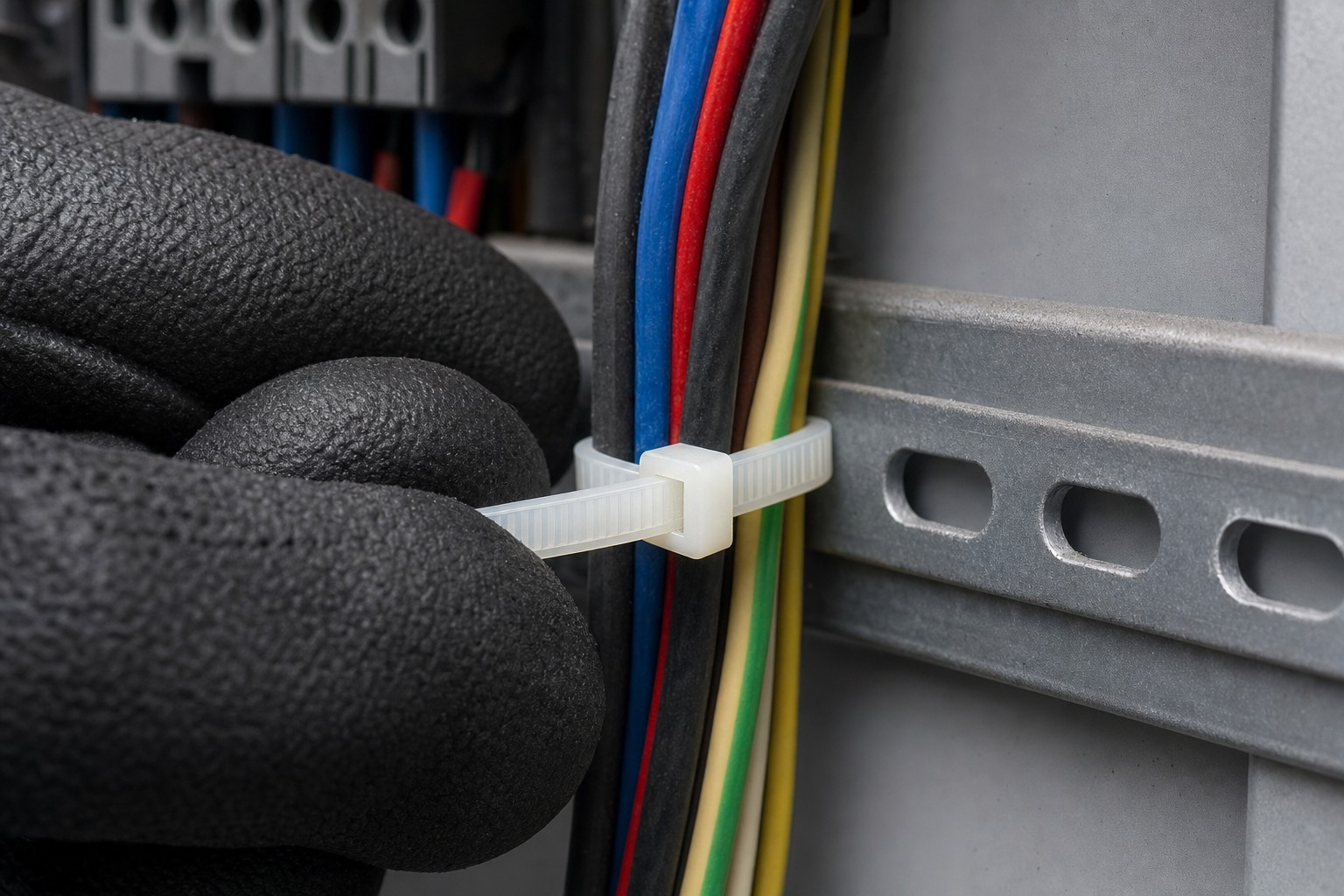
Start by identifying where the cable tie is used: inside a protected control cabinet, near a heat source, in a data center rack, in railway equipment, or along an exposed industrial cable tray. Each route has a different fire-safety expectation.
- Electrical panels: use flame-retardant nylon ties where material fire behavior is part of the requirement.
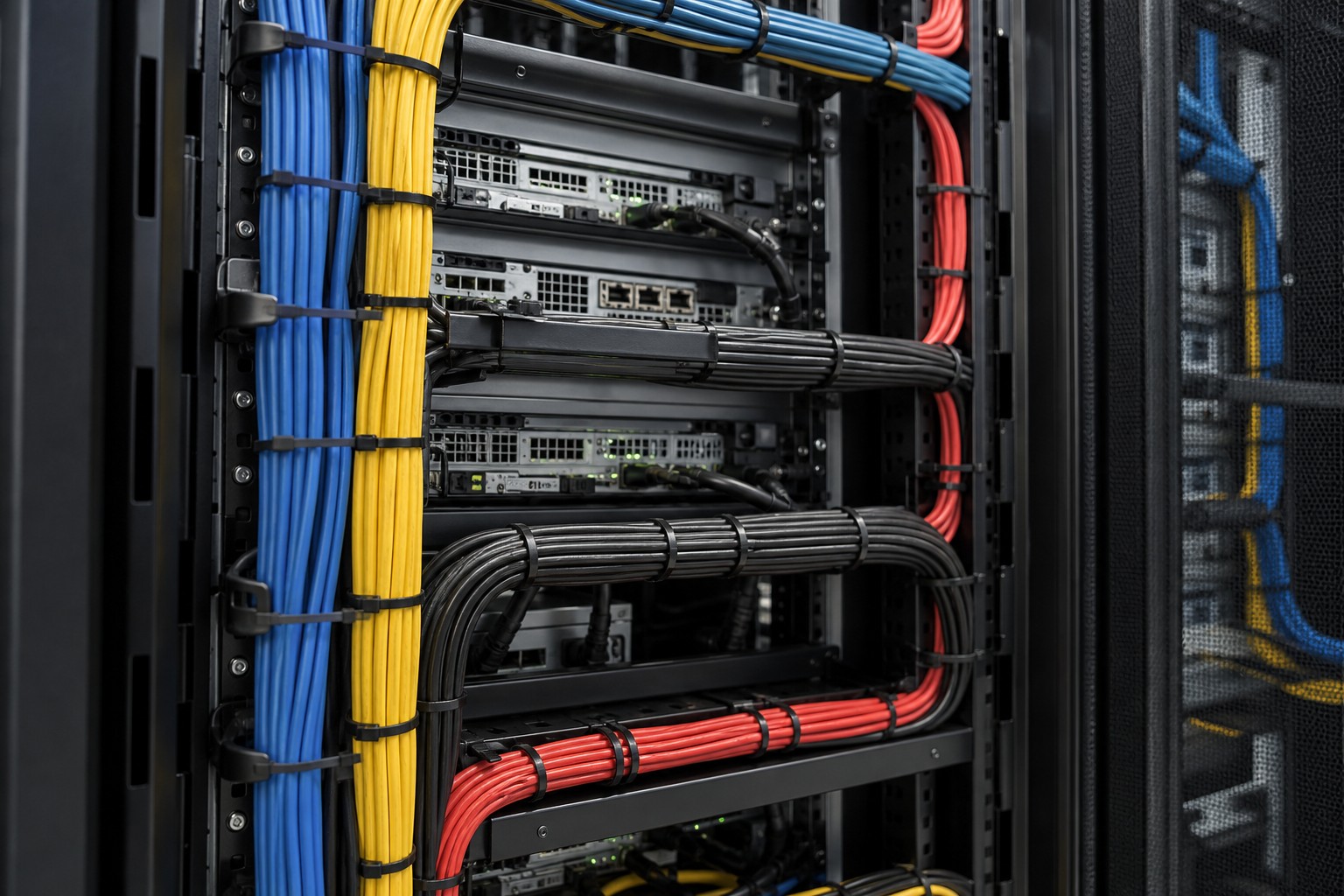
- High-density racks: keep bundles organized to protect airflow, inspection access and future maintenance.
- Railway and public transport: check low-smoke, halogen-free and project-specific compliance needs before quoting.
- Heat-adjacent areas: choose heat-stabilized or higher-temperature materials and avoid over-tightening cable insulation.
Recommended Solution
Choose fire-safety cable ties by route condition first, then confirm size, tensile strength, material grade, color, installation tool and compliance documentation.
| Route Condition | Recommended Starting Point | Why It Fits |
|---|---|---|
| Electrical cabinet, breaker panel or control box | Flame-retardant PA66 cable ties | Supports organized routing where flame behavior is part of the material requirement. |
| Data center, server rack or high-density cable route | Low-smoke / halogen-free tie options where specified | Helps keep cable pathways controlled in enclosed or high-occupancy environments. |
| Heat-adjacent industrial equipment | Heat-stabilized nylon, PEEK or stainless steel depending on temperature | Prevents early tie embrittlement where normal nylon may age too quickly. |
| Railway, transit or public infrastructure | Project-specified flame-retardant and low-smoke materials | Specification should align with the project’s compliance and smoke/toxicity requirements. |
| Critical support point or high mechanical load | Stainless steel or coated stainless tie option | Improves mechanical retention where plastic tie material is not the safest choice. |
Product Combination
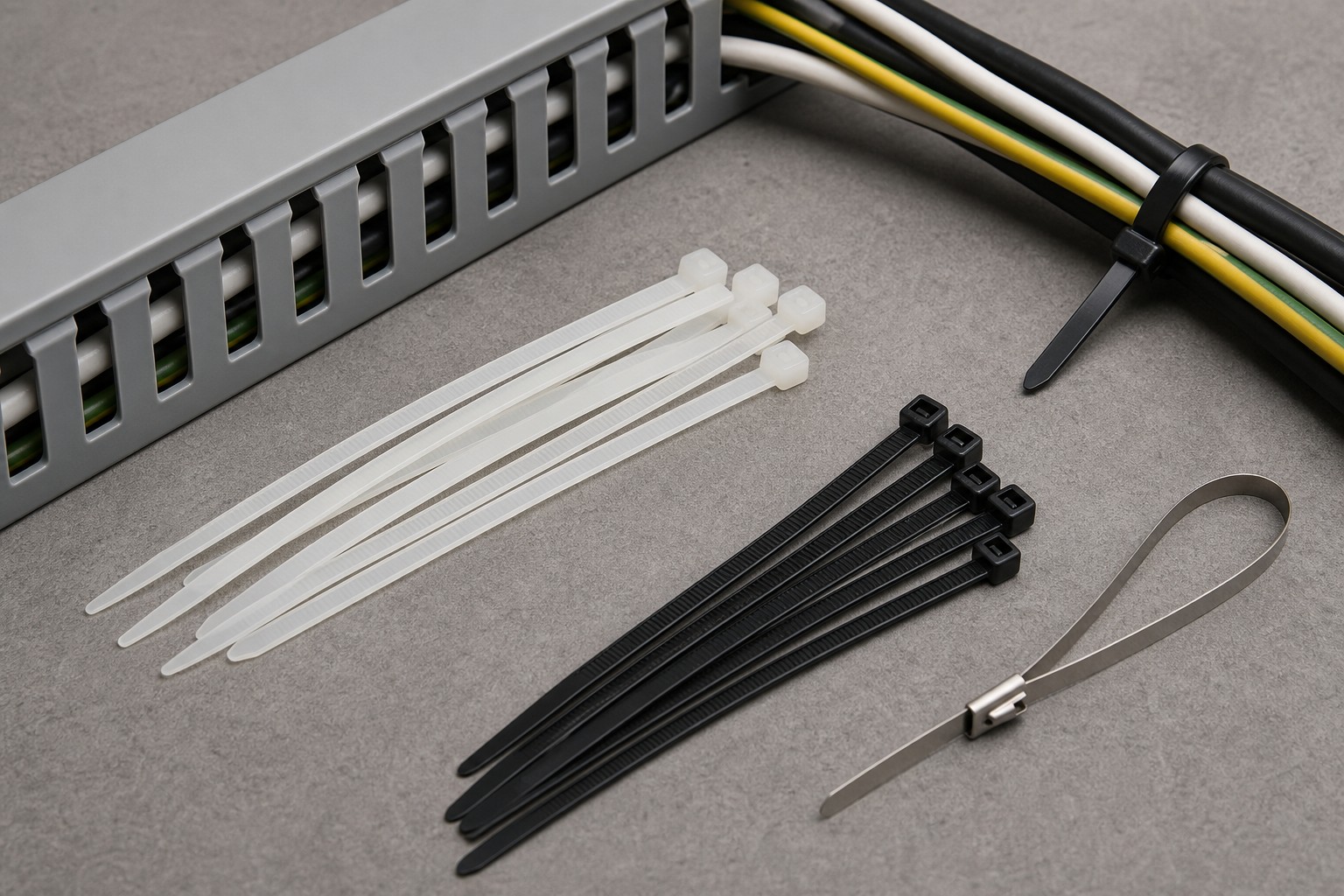
A fire-safety project may combine several tie types because not every route has the same exposure, compliance or mechanical requirement.
Flame-Retardant PA66 Ties
For control panels, breaker cabinets and electrical enclosures where flame behavior matters.
Low-Smoke / Halogen-Free Options
For data centers, transit, public infrastructure and enclosed high-density routes when specified.
Heat-Stabilized Nylon Ties
For warmer cabinet areas, HVAC equipment, machinery routing and moderate heat exposure.
Stainless Steel Ties
For critical retention, high temperature, metal trays or routes where plastic material is unsuitable.
Selection Note
For customer quotations, confirm the required flame rating, temperature range, smoke/halogen expectation, cable diameter, bundle size, color, tensile strength and packaging requirement before recommending a material.
Product images are used for material identification. Application sections use photo-style installation visuals instead of product-only images.
Product Parameters
| Product Type | Key Material | Important Parameters | Typical Use |
|---|---|---|---|
| Flame-retardant cable tie | PA66 flame-retardant grade | Length, width, tensile strength, flame rating, color, temperature range | Electrical panels, control cabinets and general fire-safety cable routing |
| Low-smoke / halogen-free tie | Project-specified low-smoke material | Smoke, halogen, toxicity, tensile strength, installation environment | Data centers, transit, railway and enclosed public infrastructure |
| Heat-stabilized nylon tie | Heat-stabilized PA66 | Long-term temperature, short-term temperature, width, tensile strength | Warm equipment interiors, machinery routing and HVAC control areas |
| Stainless steel cable tie | SS304 / SS316 | Grade, width, thickness, tensile strength, locking style, tool compatibility | High temperature, metal tray routes and critical support points |
| Mounting base or tie mount | Flame-retardant plastic or metal | Mounting hole, adhesive/screw option, flame rating, load capacity | Cabinets, panels, wire ducts and controlled fixing points |
Installation Steps
- Classify the route by fire-safety requirement, enclosure type, heat exposure and inspection access.
- Select flame-retardant, low-smoke, heat-stabilized or stainless tie material according to the project specification.
- Route cables through wire duct, support rail or cable manager before tying; do not use ties to hide disorganized routing.
- Wrap each tie fully around the cable bundle and support point where required; avoid floating ties that do not restrain movement.
- Apply controlled tension so the bundle is secure without cutting into cable insulation.
- Trim the tail cleanly and orient the head so it does not block inspection, door closure, airflow or maintenance access.
- Inspect ties during maintenance and replace brittle, heat-aged, loose or damaged ties before they become a route failure point.
Installation Checkpoint
A fire-safety tie is not only a material choice. It must be installed in a way that keeps the bundle secure, visible, serviceable and clear of heat concentration or sharp edges.
Field Scenario
Application: electrical cabinets and rack cable routes in a factory control room and equipment area.
Problem: mixed standard ties, dense cable groups and unclear material requirements made it hard for the buyer to separate ordinary bundling from fire-safety routing.
Solution: CableTiesMFG separates the route into material zones: flame-retardant nylon for electrical cabinets, low-smoke options where specified, heat-stabilized ties near warmer equipment and stainless ties for critical support points.
Result: the buyer receives a clearer cable tie schedule, better routing discipline and easier communication with contractors, panel builders and maintenance teams.
Note: page visuals are photo-style application and product visuals for solution explanation, not customer-submitted field photos.
Why Choose CableTiesMFG
Material-Based Recommendation
We help buyers separate flame-retardant nylon, heat-stabilized nylon, low-smoke options and stainless ties by route condition.
Project Quotation Support
Bulk supply, sample kits, private label packaging and product selection support are available for distributors, panel builders and contractors.
Application-Focused Pages
Solutions are built around real installation problems, not generic product lists, so customers can identify the right starting point faster.
FAQ
Are flame-retardant cable ties required in every electrical cabinet?
Not always. The requirement depends on the project specification, enclosure type, location, operating temperature and compliance expectation. For fire-safety routes, flame-retardant material is often the safer starting point.
What is the difference between flame-retardant and low-smoke cable ties?
Flame-retardant describes how the material behaves around ignition. Low-smoke or halogen-free requirements focus on smoke and gas behavior in enclosed or public environments. Some projects require both.
Can stainless steel ties be used for fire safety?
Yes, stainless steel ties can be used for high-temperature or critical retention points, but they must be installed with controlled tension and cable jacket protection where needed.
What information should I send for a quote?
Send the cable diameter, bundle size, route environment, required flame rating or smoke/halogen requirement, color, tensile strength and expected quantity.
Related Product and Technical Links
Stainless Steel Cable TiesMetal cable ties for high temperature, mechanical retention and critical routes.
UL94 Flame RatingsTechnical reference for flame rating discussions and material selection.
High TemperatureRoute selection when heat exposure is the main risk factor.
Need a fire-safety cable tie recommendation?
Send your application, cable diameter, required flame rating, temperature range and project quantity. We can recommend suitable flame-retardant, low-smoke, heat-stabilized or stainless cable tie options.