Application Solution
Pipe Fastening Cable Tie Solutions for Conduit, Hose and Industrial Pipe Routes
Cable tie and fastening solutions for securing conduit, flexible hose, small pipe runs, cable protection tubing, HVAC service lines, machinery pipes, and industrial support routes.
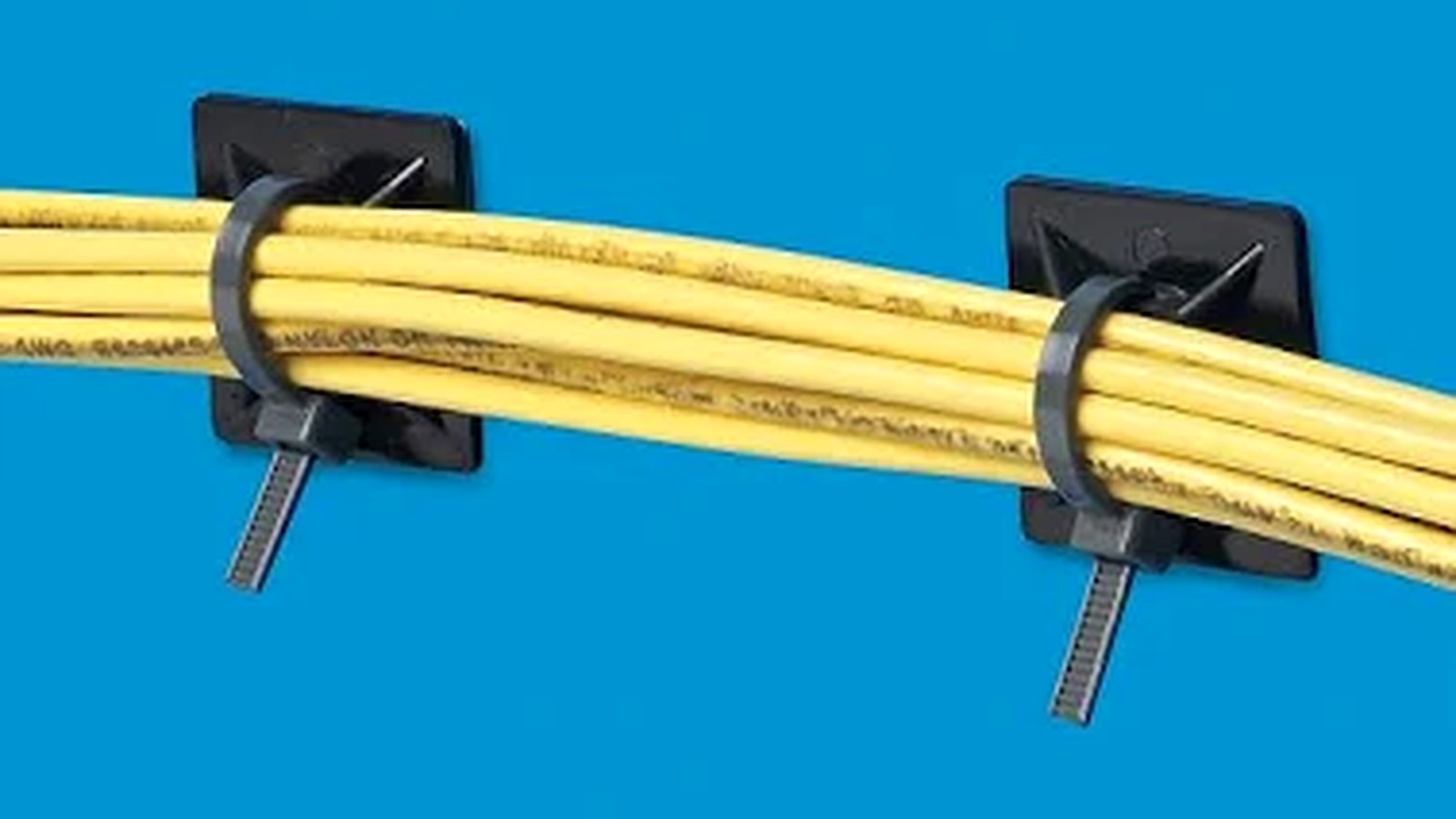
Application visual: pipe and conduit fastening must show both the route and the fixing point.
Procurement Snapshot
Best Fit Buyers
Electrical installers, HVAC contractors, machinery OEMs, panel builders, maintenance teams, conduit suppliers, and industrial distributors.
Main Decision Factors
Pipe diameter, route load, fixing surface, vibration, temperature, UV exposure, chemicals, corrosion, and service access.
Documents to Request
Material grade, tensile strength, temperature range, UV/flame options, stainless grade, RoHS/REACH, and sample packs.
Common Order Format
Mixed pipe fastening kits, mount base sets, stainless tie packs, project cartons, and private-label packaging.
Application Introduction
Pipe fastening with cable ties is common in conduit routing, flexible hose support, cable protection tubing, control wiring, HVAC lines, and machinery service routes. The tie must hold the pipe or hose against a real support point without crushing the surface or allowing movement.
Unlike general cable bundling, pipe fastening often needs mounting bases, clip ties, screw-mount ties, stainless steel ties, or coated metal ties. The right choice depends on diameter, surface, load, movement, and environment.
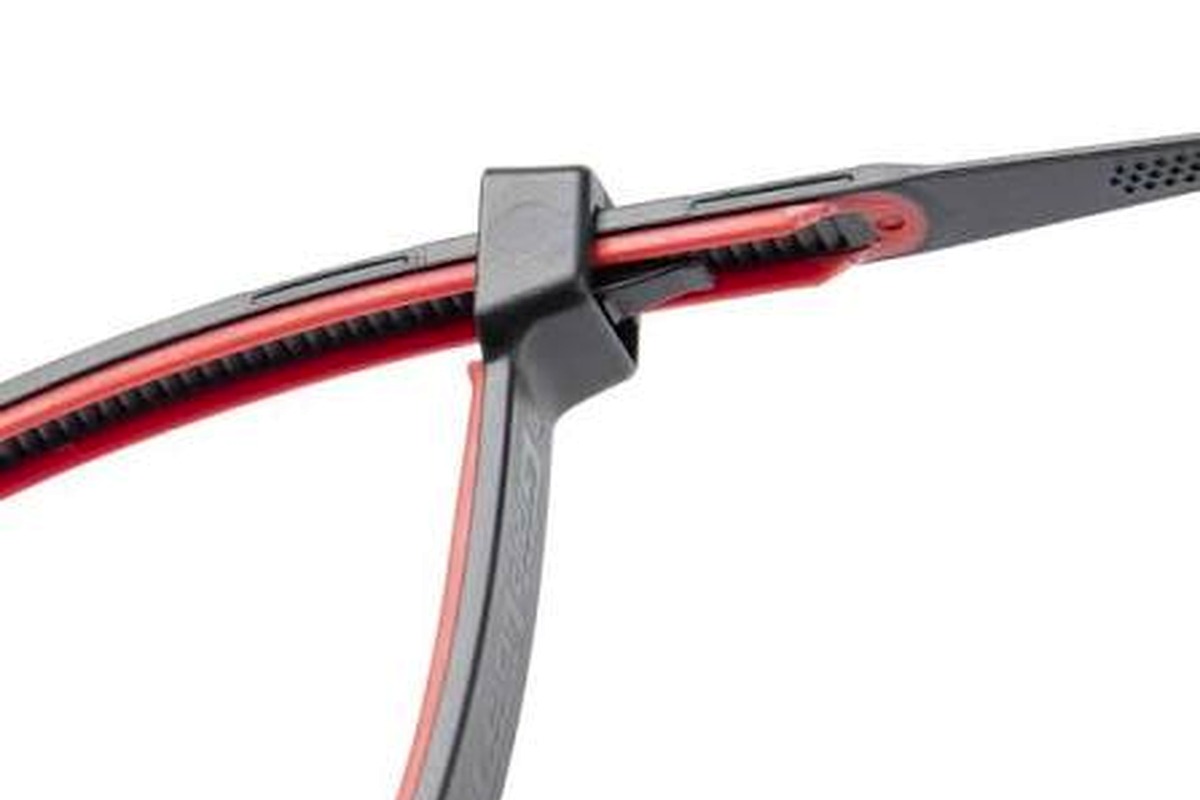
Application detail: the tie must form a real closed wrap around the hose, conduit, or cable protection route.
Application Pain Points
Pipe Movement
Unsupported conduit or hose can rub, vibrate, sag, or pull against connectors and fittings.
Weak Fixing Point
A tie around the pipe is not enough if it does not connect to a wall, bracket, tray, panel, or support base.
Material Mismatch
Indoor nylon can fail outdoors, near heat, around chemicals, or in corrosive metal-routing areas.
Surface Damage
Over-tightening or hard metal edges can damage hose jackets, conduit surfaces, or cable protection sleeves.
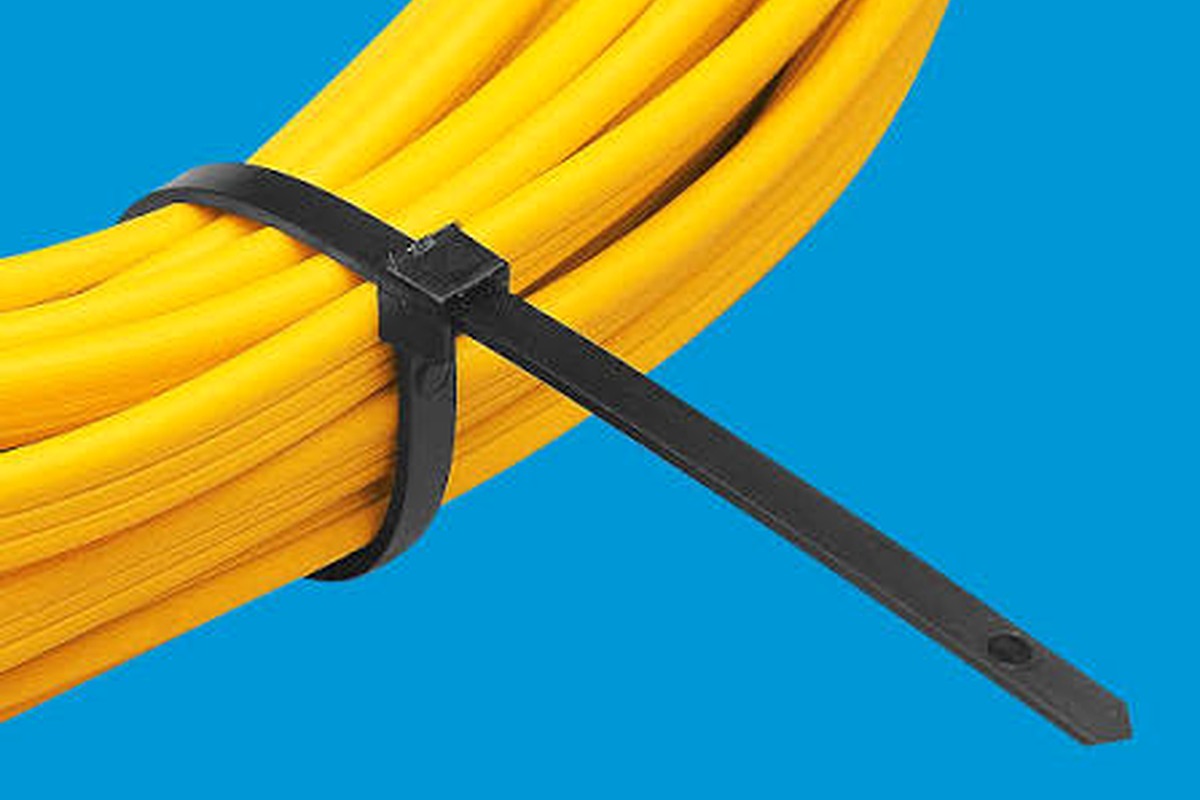
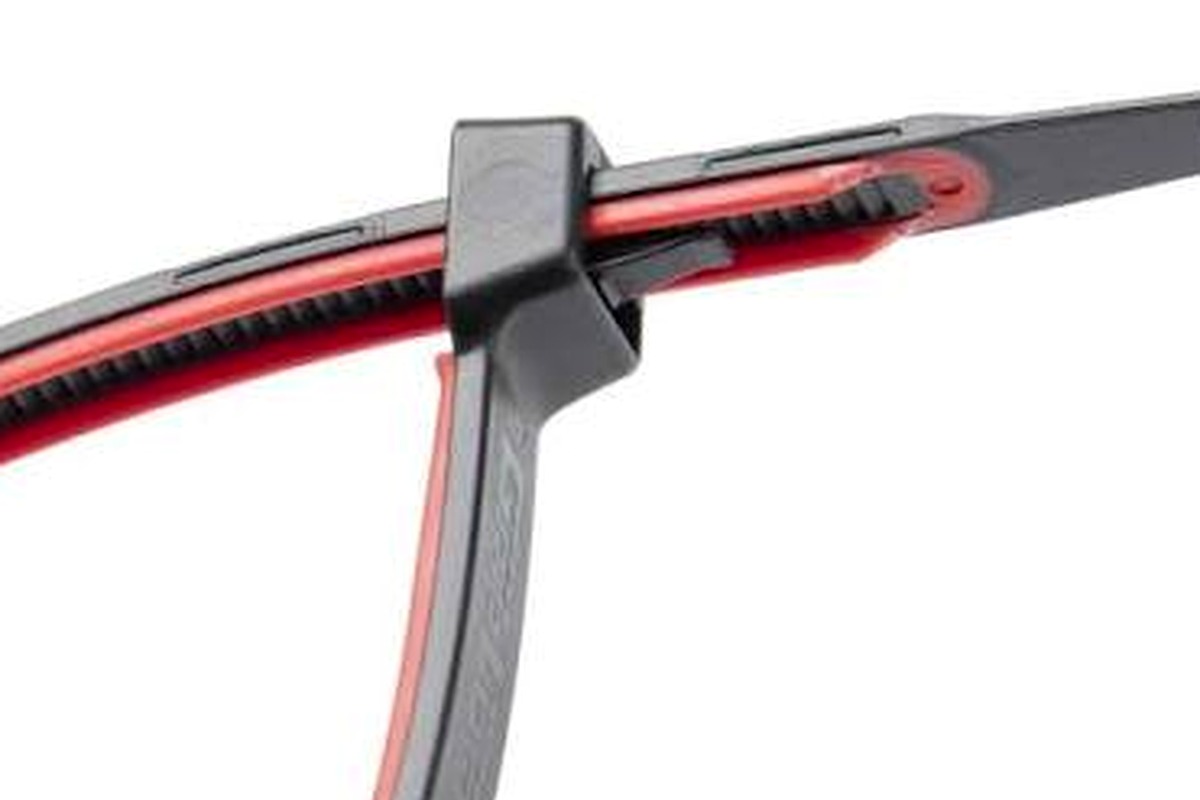
Product demonstration: a correct tie creates a complete loop and exits one locking head cleanly.
On-Site Problem Analysis
Pipe fastening failures usually come from treating every route like a simple cable bundle. A pipe or hose needs support spacing, contact protection, and a fixing point that matches the route load.
- Wall or panel routes: use adhesive or screw mount bases when the surface allows it.
- Bracket and equipment routes: use mount-hole ties, clip ties, or screw-mount ties.
- Flexible hose routes: control movement without crushing the hose jacket.
- Hot, outdoor, or corrosive routes: choose coated stainless or stainless steel ties.
Recommended Solution
Use a route-based pipe fastening system. Start with diameter and support surface, then match the material to environment. Nylon ties and mount bases work for many indoor conduit routes. Mount-hole ties and clip ties improve controlled support. Stainless steel or coated stainless ties should be used for heat, chemical, outdoor, marine-like, or severe-duty pipe routes.
Indoor Conduit
PA66 cable ties with mount bases or screw-mounted support points.
Flexible Hose
Wider ties or controlled tension to avoid crushing and abrasion.
Panel / Bracket Fixing
Mount-hole ties, clip ties, and bases for repeatable support positions.
Harsh Routes
Stainless steel or coated stainless ties for heat, chemicals, UV, and corrosion.
Solution Selector
Use this table to choose a pipe fastening product by route type and environment.
| Pipe / Conduit Requirement | Recommended Choice | When to Use |
|---|---|---|
| Light indoor conduit route | PA66 tie + mounting base | Use on panels, equipment frames, and clean indoor surfaces. |
| Bracket or hole-mounted route | Mount-hole tie / clip tie | Use when drawings require a defined support point or snap-in fixing. |
| Flexible hose route | Wider nylon tie or releasable support tie | Use where hose movement must be controlled without crushing. |
| Outdoor, hot, or corrosive pipe route | Stainless steel or coated stainless tie | Use when nylon cannot meet heat, chemical, UV, or corrosion requirements. |
Product Combination
Product images below are page-exclusive visuals for product identification. Application visuals are separated and are not presented as customer case photos.
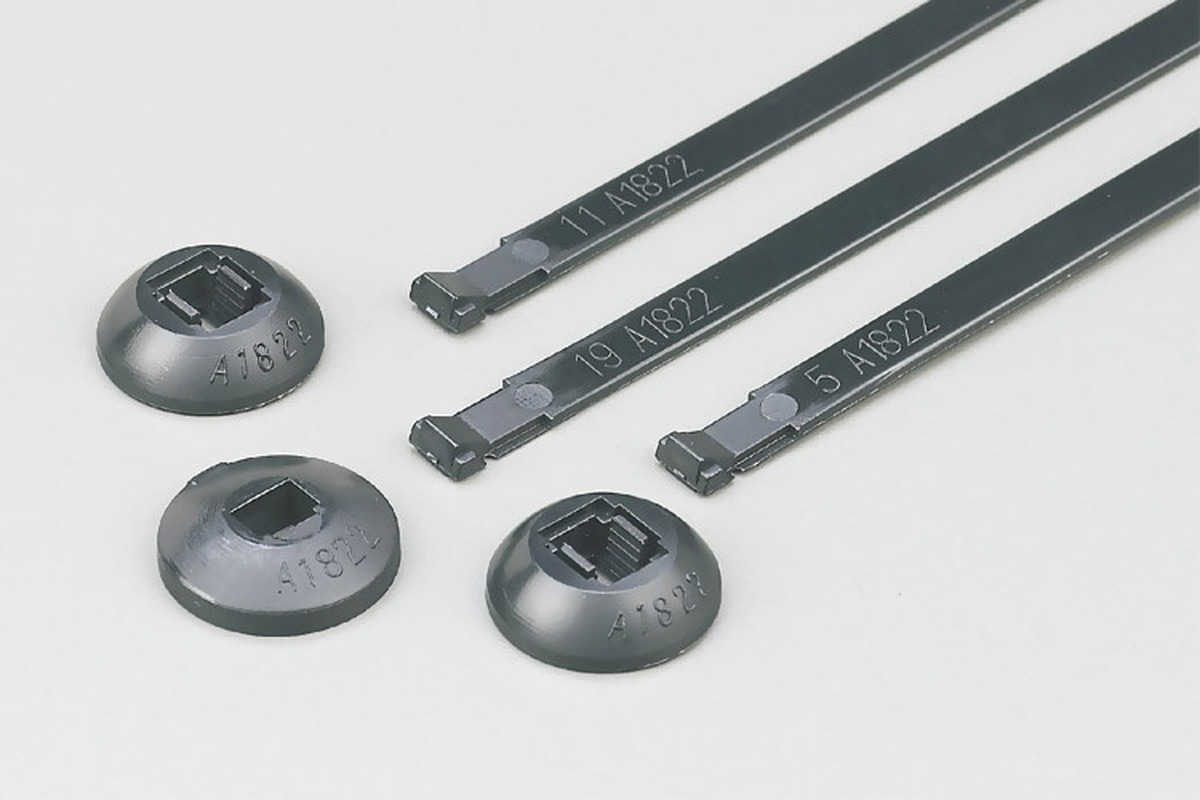
Mount Base Tie Set
For repeatable support points on panels, equipment frames, and conduit routes.
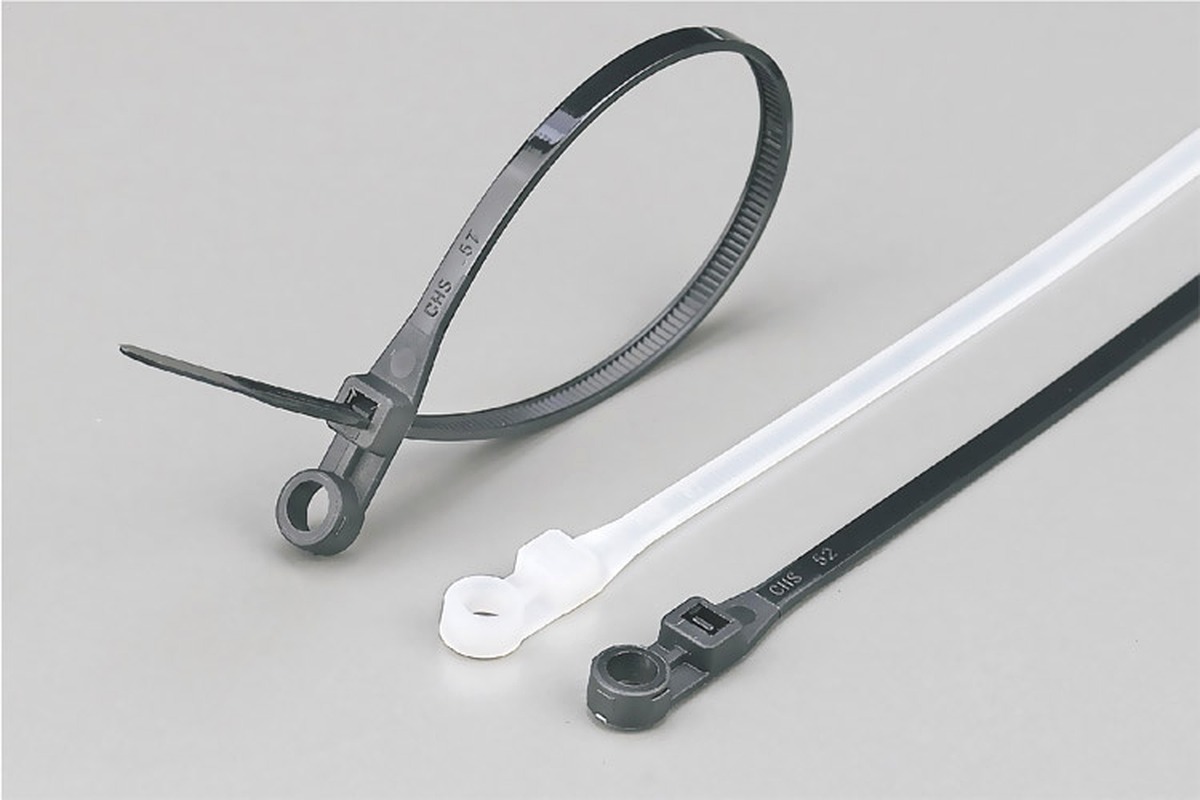
Mount-Hole Tie
For screw-fixed pipe, conduit, hose, and bracket support points.
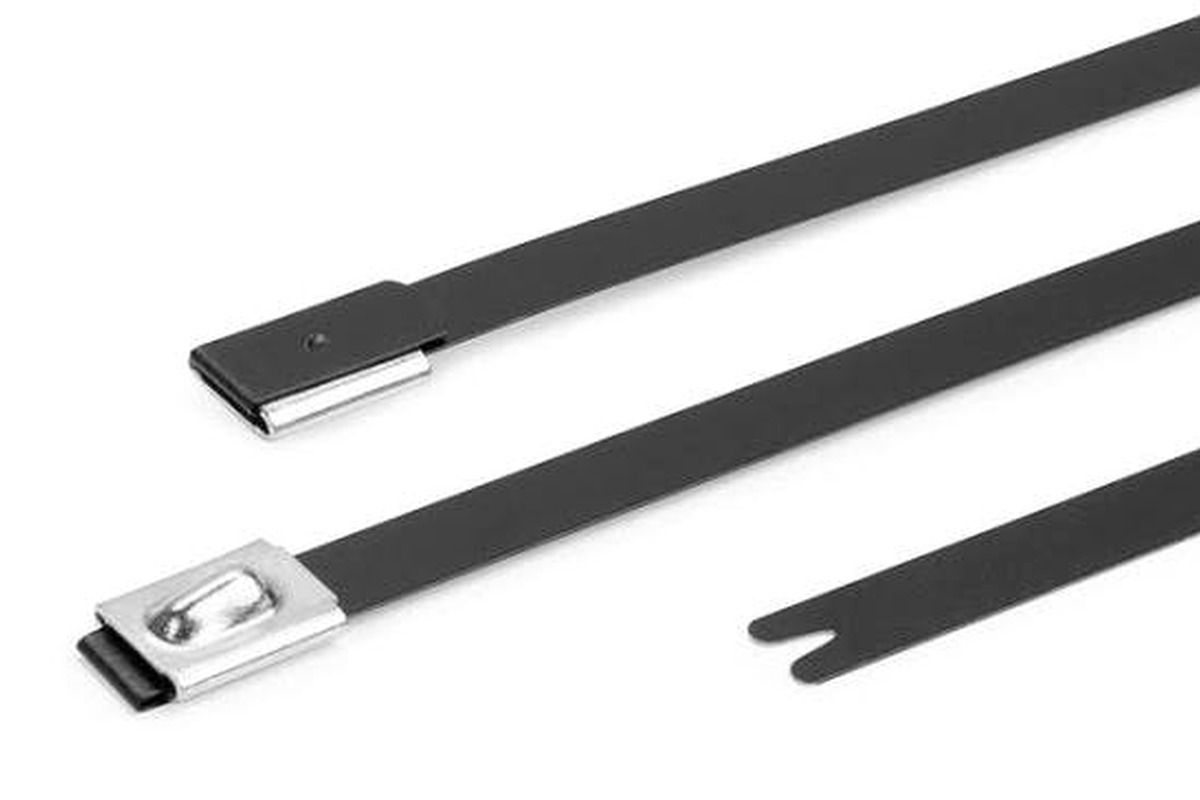
Stainless Steel Tie
For heat, corrosion, outdoor, and severe-duty pipe or hose fastening.
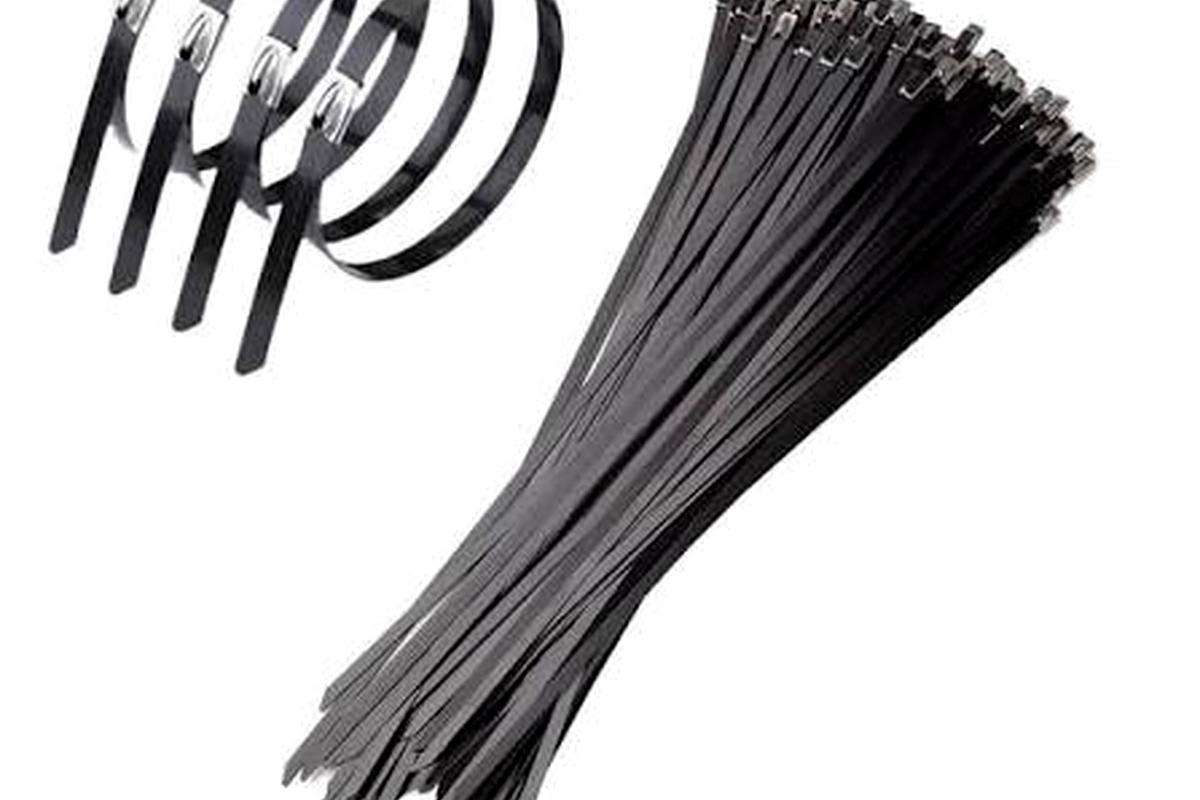
Mixed Fastening Kit
For installers who need nylon, metal, mountable, and heavy-duty options.
| Application Zone | Recommended Products | Purpose |
|---|---|---|
| Indoor conduit | PA66 ties, mounting bases | Low-cost fixed routing and tidy support |
| Flexible hose | Wider nylon ties, releasable ties | Control movement without damaging hose jackets |
| Equipment brackets | Mount-hole ties, clip ties, screw-mount ties | Repeatable installation and service access |
| Harsh pipe routes | Stainless steel, coated stainless ties | Heat, chemical, UV, and corrosion resistance |
Product Parameters
| Product Type | Material / Design | Performance Focus | Typical Use |
|---|---|---|---|
| Standard nylon tie | PA66 | General indoor fastening | Light conduit and equipment wiring |
| Mounting base | PA66 base, adhesive or screw option | Fixed support point | Panels, walls, cabinets, frames |
| Mount-hole tie | PA66 tie with integrated hole | Screw-fixed support | Pipe, hose, conduit, brackets |
| Stainless steel tie | SS304 / SS316 | Heat, strength, corrosion resistance | Outdoor, hot, chemical, and metal routes |
| Coated stainless tie | Metal tie with protective coating | Jacket protection and corrosion control | Hose, cable protection tubing, sensitive jackets |
Final selection should confirm pipe diameter, pipe material, support spacing, surface type, temperature, movement, and installation method.
Recommended SKU Set
| Suggested SKU | Product Role | Typical Spec Direction | Recommended Use |
|---|---|---|---|
| CT-PIPE-PA66 | General pipe tie | PA66, selected length and tensile class | Indoor conduit and light support routes |
| CT-PIPE-MB | Mounting base set | Screw or adhesive mount base with compatible ties | Panel, wall, and equipment frame routes |
| CT-PIPE-MH | Mount-hole tie | Integrated screw hole, selected tie length | Bracket, frame, and controlled support points |
| CT-PIPE-SS316 | Severe-duty pipe tie | SS316 or coated stainless option | Heat, corrosion, outdoor, and chemical environments |
Installation Steps
- Measure pipe diameter: confirm pipe, hose, conduit, or tube size before choosing tie length.
- Confirm support point: identify whether the tie fixes to a wall, bracket, panel, rail, tray, or base.
- Select material: match nylon, UV nylon, stainless, or coated stainless to the environment.
- Control tension: hold the route without crushing hose jackets or deforming conduit.
- Protect contact points: avoid sharp edges, abrasion, and metal-to-jacket damage.
- Inspect spacing: verify route support intervals, service access, and tail trimming.
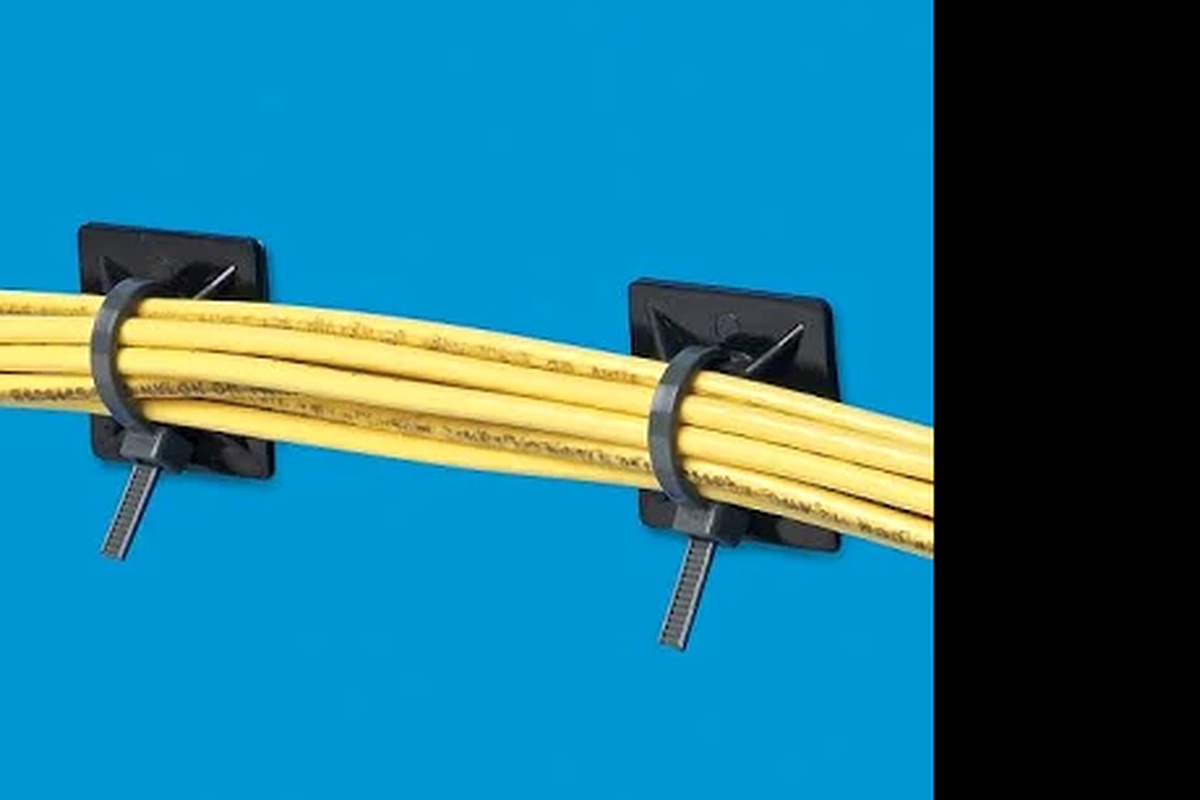
Installation visual: the support point matters as much as the tie itself.
Application Case Direction
Standardizing Fasteners for Mixed Pipe, Hose and Conduit Routes
Application: Industrial conduit, flexible hose, equipment pipe, and cable protection tube support.
Problem: Installers used one general tie everywhere, causing weak support points, inconsistent spacing, and poor material selection in hot or outdoor areas.
Solution: CableTiesMFG recommended a mixed fastening kit: mount bases for panel routes, mount-hole ties for brackets, wider nylon ties for flexible hose, and stainless ties for harsh routes.
Result: The team had clearer product rules by route type and improved installation consistency.
Why Choose CableTiesMFG
Route-Based Selection
Recommendations by pipe diameter, support point, environment, and movement risk.
Complete Fastening Range
Nylon ties, mount bases, mount-hole ties, stainless ties, coated stainless ties, and mixed kits.
Installer-Friendly Kits
Project cartons, mixed assortments, maintenance packs, and private-label support.
Documentation
Material data, tensile data, stainless grade, compliance statements, and sample support.
FAQ
Can ordinary nylon cable ties be used for pipe fastening?
Yes for light indoor routes, but the tie must connect to a real support point. Outdoor, hot, chemical, or high-load pipe routes may need UV nylon, mountable ties, or stainless steel ties.
When should stainless steel cable ties be used on pipes?
Use stainless steel ties for high temperature, outdoor exposure, chemical areas, corrosive environments, or severe-duty metal routes.
How do I prevent hose damage?
Use correct width, controlled tension, smooth contact points, and coated or wider options when the hose jacket is sensitive.
Do you supply pipe fastening kits?
Yes. CableTiesMFG can supply mixed kits with nylon ties, mount bases, mount-hole ties, stainless steel ties, and coated options.
Quality & Documentation
Pipe fastening projects need material clarity because the route may involve heat, chemicals, movement, or outdoor exposure.
- Material grade statement
- Tensile strength data
- Temperature range
- SS304 / SS316 options
- Sample kit support
RFQ Information Needed
Pipe Details
Pipe or hose diameter, material, route length, support spacing, and whether it is rigid or flexible.
Site Conditions
Indoor/outdoor exposure, temperature, UV, chemicals, vibration, corrosion, and service access.
Commercial Details
Quantity, kit mix, packaging, private label, samples, documentation needs, and delivery schedule.
Related Product and Technical Links
How to Specify Cable Ties for Pipe and Conduit Fastening
Use the seven fields below as a checklist when you specify a tie for a pipe, hose or conduit route. Confirm or request each item against the exact SKU and project specification, and review the current SKU document rather than applying one option to every route.
- Pipe, hose or conduit type — confirm the route material (rigid pipe, flexible hose, conduit or protection tubing) and review it against the fixing method for the exact project.
- Outside diameter and bundle geometry — request the outside diameter, the number of lines in the bundle and the support spacing, and review them against the dimensional data for the exact SKU.
- Material — confirm the material family and grade stated for the SKU and review it against the temperature, UV, chemical or corrosion exposure at the route.
- Mounting surface — confirm whether the fix is to a wall, panel, bracket, rail or tray and review the surface and fixing method for the exact SKU.
- Route and environment — review the route length, movement and support spacing together with any heat, outdoor, chemical or wash-down exposure at the installation.
- Locking or fixing method — confirm the closure type and whether a mount base, mount-hole tie, clip or stainless fixing is required, and review the installation method against the project specification.
- Exact SKU, quantity, packaging and documentation — request the part reference, quantity, packaging format and current document, and confirm the document revision matches the SKU and order under consideration.
Pipe and Conduit Fastening FAQ
What information should I provide for pipe or conduit fastening?
State the pipe, hose or conduit type and outside diameter, the support surface, the route length and spacing, the environment, and the expected quantity. Confirm these against the exact SKU and project specification before the route is fixed.
Which pipe dimensions and route geometry matter?
Confirm the outside diameter, the number of lines and any insulation, together with the support spacing and movement on the route. Review these against the dimensional data for the exact SKU rather than a general product description.
How should the mounting surface affect selection?
Confirm whether the tie fixes to a wall, panel, bracket, rail or tray, and review the surface material and fixing method for the exact SKU. A tie around the pipe still needs a real support point to hold the route.
Which locking or fixing method should be confirmed?
Confirm the closure type and whether the route needs a mount base, mount-hole tie, clip or stainless fixing. Review the installation method and the service access against the exact project specification.
What should accompany a quote for a pipe-fastening project?
Request the part reference, quantity and packaging format, the current drawing or datasheet, and any material or grade statement you need for the SKU. Confirm the document scope so the quote matches the exact project specification.
Contact Us
Send us your pipe or conduit diameter, route surface, support spacing, environment, and expected quantity. Our team will recommend the right pipe fastening cable tie set for your project.