Railway Solution
Railway Cable Tie Solutions for Rolling Stock, Signaling and Trackside Cable Management
Flame-retardant, low-smoke, vibration-resistant cable tie and fastening solutions for rolling stock interiors, signaling cabinets, trackside infrastructure, rail substations, and tunnel cable routes.
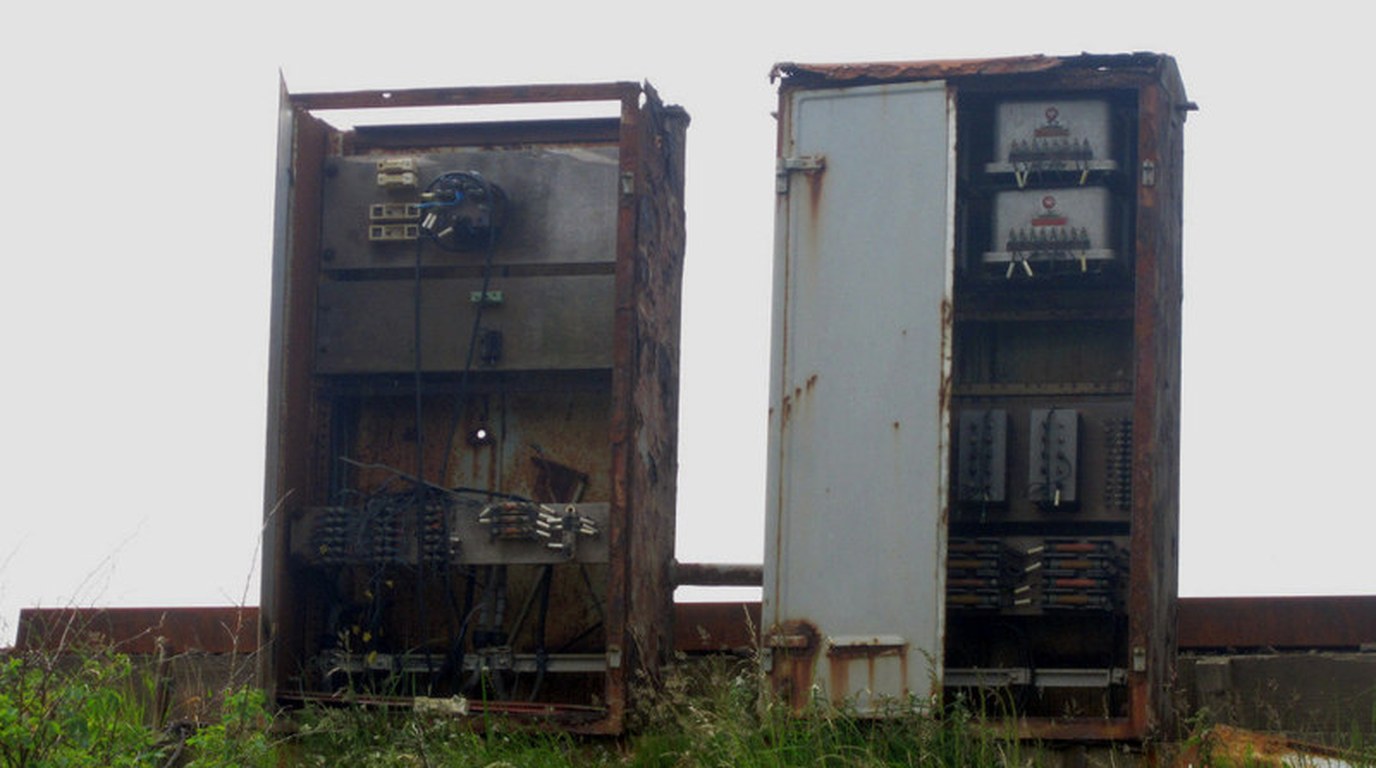
Trackside context reference: rail-side control cabinets show why cable management must support inspection, vibration resistance, and outdoor durability.
Procurement Snapshot
Best Fit Buyers
Rolling stock OEMs, rail maintenance contractors, signaling integrators, tunnel contractors, transit operators, and railway electrical distributors.
Main Decision Factors
EN 45545-2 requirement, smoke toxicity, vibration, UV exposure, service temperature, tunnel conditions, inspection access, and documentation.
Documents to Request
Material grade, UL94 rating, EN 45545-2 report where required, RoHS/REACH, tensile data, batch traceability, and sample pack.
Common Order Format
Project cartons, rail maintenance kits, signaling cabinet kits, tunnel installation packs, or distributor/private-label supply.
Industry Introduction
Railway cable management must balance mechanical retention with fire-safety and maintenance requirements. Cable ties are used in rolling stock interiors, electrical cabinets, passenger systems, signaling routes, trackside equipment, tunnel infrastructure, and rail substations.
For rail applications, a basic nylon tie is often not enough. Buyers must check material performance against fire-safety rules, smoke and toxicity limits, vibration, temperature, UV exposure, and long-term inspection access.
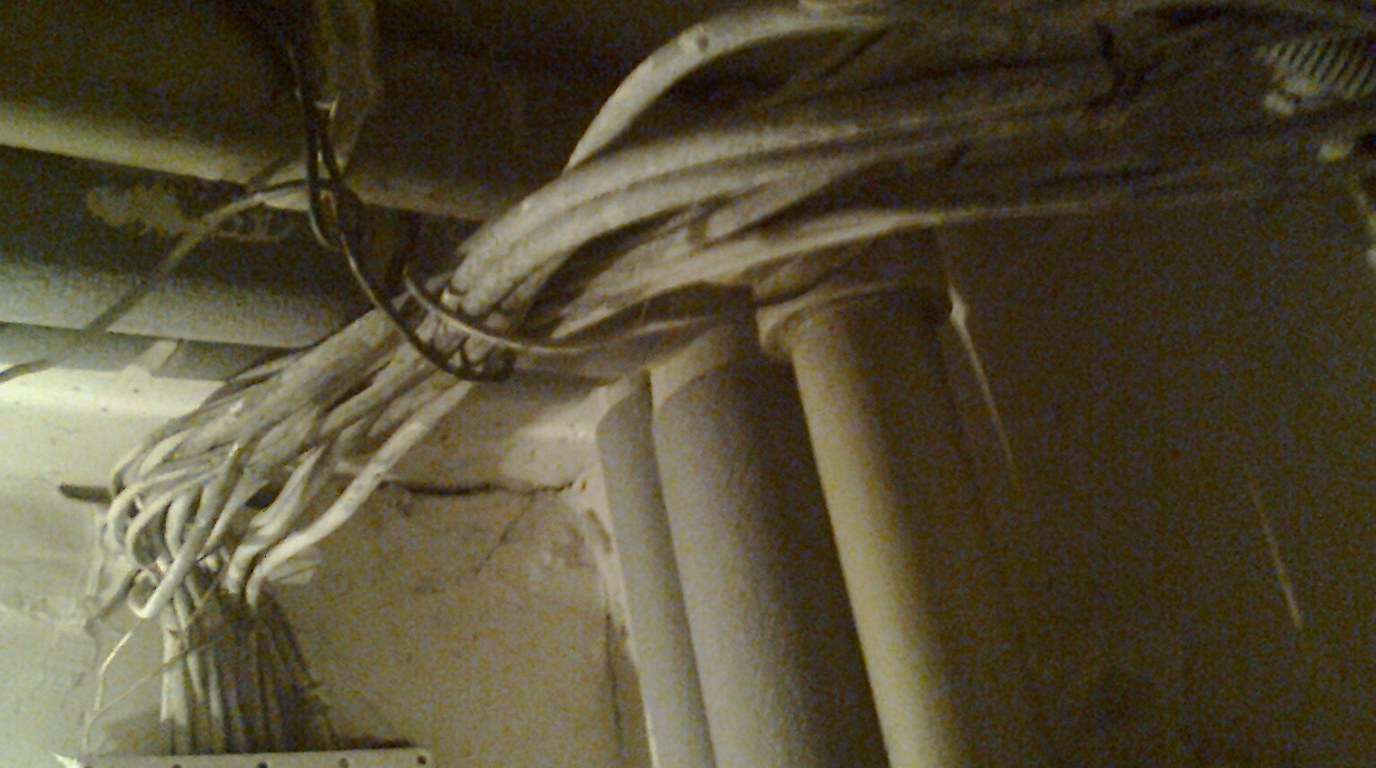
Rail transit substation context reference: dense conduits and wires require documented routing, fire safety, and inspection access. Source: Wikimedia Commons, MTA Capital Construction Mega Projects, CC BY 2.0.
Industry Pain Points
Fire Safety Review
Passenger and tunnel areas may require low-smoke, low-toxicity, flame-retardant material documentation.
Vibration Loosening
Rolling stock and trackside equipment need ties that stay secure under vibration and repeated movement.
Inspection Access
Poor cable grouping slows maintenance and makes cabinet or tunnel inspections harder.
Outdoor Aging
Trackside and signaling routes require UV, rain, temperature, and pollution resistance.
Cable tray context reference: cable grouping and support spacing must preserve inspection access and fire-safety documentation. Source: Wikimedia Commons, Koefbac, CC BY-SA 4.0.
On-Site Problem Analysis
Rail cable tie failures usually come from choosing one tie for every rail zone. Rolling stock interiors, traction equipment, signal cabinets, tunnels, and outdoor trackside routes have different safety and exposure requirements.
- Passenger areas: focus on flame retardancy, smoke, toxicity, and tidy inspection routes.
- Traction and equipment zones: need temperature and vibration resistance.
- Tunnels: often require HL3-oriented material selection and strict documentation.
- Trackside cabinets: need UV, rain, pollution, and maintenance-friendly routing.
Recommended Solution
We recommend a zone-based railway cable tie system. Use PA66V0 or halogen-free cable ties where low-smoke and flame-retardant performance is required. Use PEEK ties for high-temperature or higher hazard-level areas. Use stainless steel ties for tunnel, trackside, or severe-duty routes where non-combustible metal fixing is preferred. Use releasable ties where inspection and maintenance access are important.
PA66V0 / LSZH
For rolling stock interiors, cabinets, passenger systems, and documented fire-safety routes.
PEEK Ties
For high-temperature, traction, enclosed, or higher hazard-level applications.
Stainless Steel
For tunnel, trackside, cable tray, and severe-duty mechanical fixing.
Releasable / Mounting
For cabinets, inspection routes, maintenance access, and repeat service work.
Solution Selector
Use this table to convert rail-site requirements into a practical product starting point.
| Rail Condition | Recommended Choice | When to Use |
|---|---|---|
| Rolling stock interior wiring | CT-RAIL-PA66V0 / LSZH tie | Use for passenger-area or cabinet routing where flame-retardant and low-smoke documents are requested. |
| High-temperature traction zone | CT-RAIL-PEEK high-temperature tie | Use for traction motors, converters, hot equipment zones, and high-performance rail programs. |
| Tunnel or severe-duty tray route | CT-RAIL-SS stainless steel tie | Use for non-combustible, high-strength fixing in tunnels, tray routes, and trackside infrastructure. |
| Signal cabinet maintenance | CT-RAIL-REL releasable tie / mount | Use where cables need inspection, rerouting, or frequent maintenance access. |
Product Combination
Product images below are used for product identification and material selection. Field context images are separated from product photos so the page does not imply unverified customer installations.
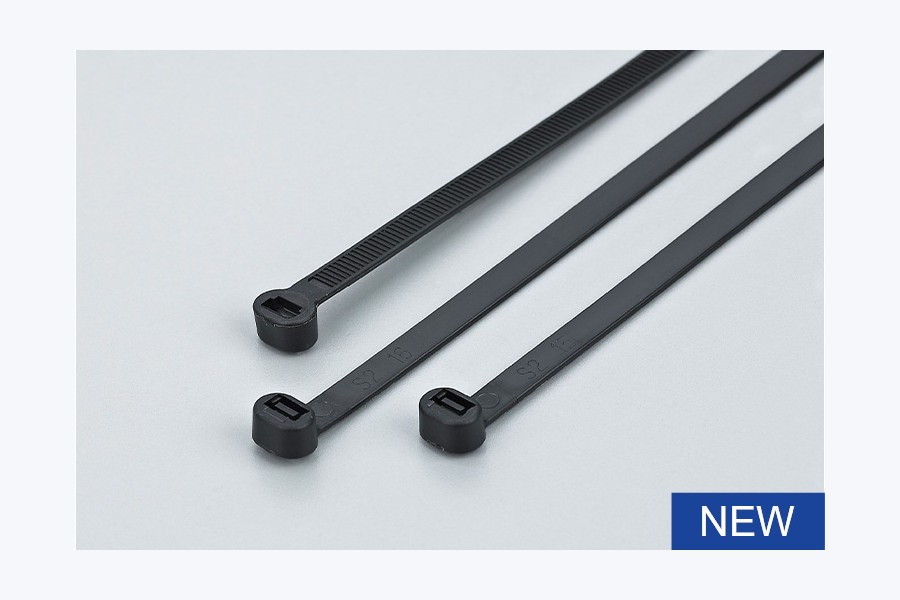
PA66V0 Black Tie
For flame-retardant railway cabinet and rolling stock cable routing.
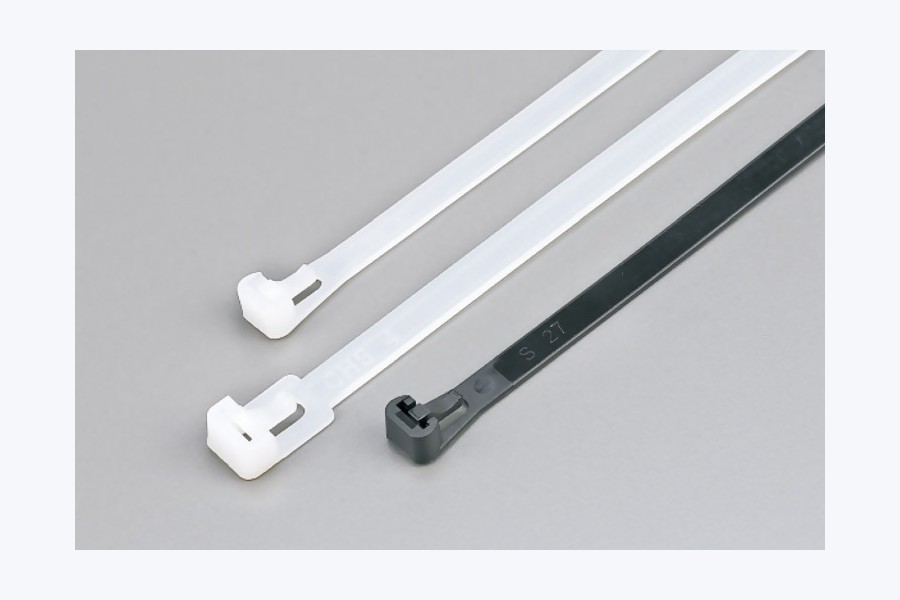
LSZH / Halogen-Free Options
For projects where smoke and halogen requirements drive material choice.
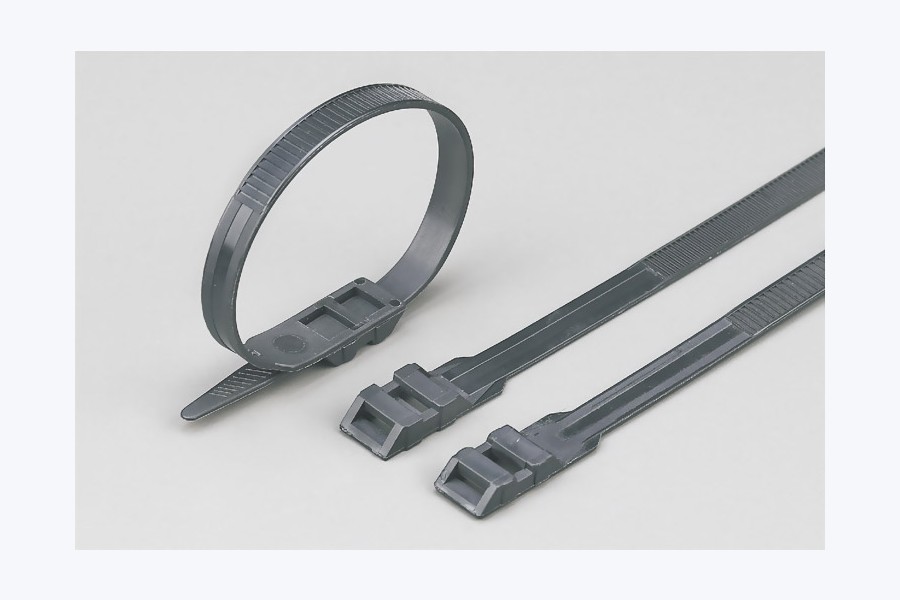
Releasable Heavy-Duty Tie
For cabinets and equipment zones that need service access.
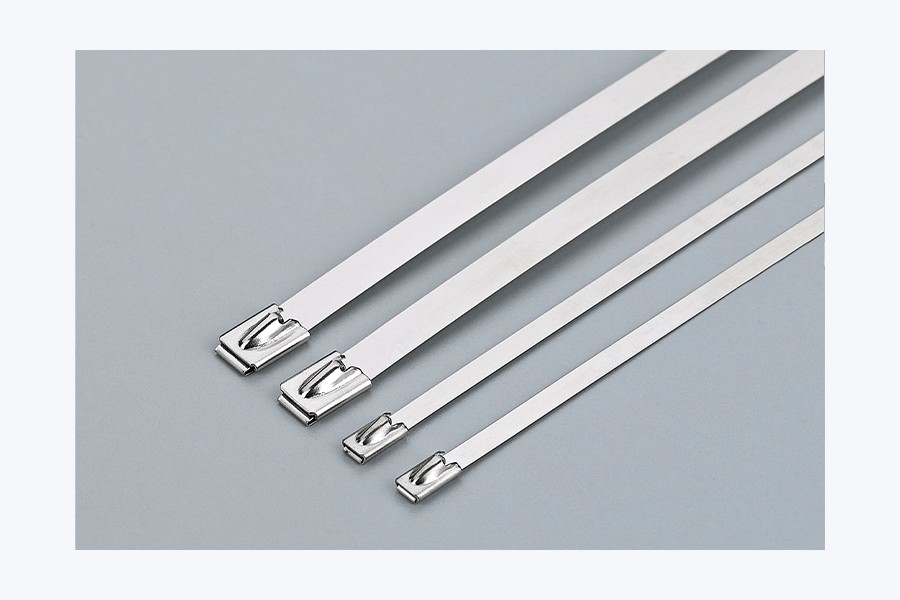
Stainless Steel Tie
For tunnel, trackside, cable tray, and severe-duty mechanical fixing.
| Application Zone | Recommended Products | Purpose |
|---|---|---|
| Rolling stock interior | PA66V0, LSZH, halogen-free ties | Fire-safety and passenger-area cable routing |
| Traction equipment | PEEK ties, high-temperature options | Heat and vibration resistant fixing |
| Trackside / signal cabinets | UV-resistant ties, releasable ties, mounts | Outdoor durability and inspection access |
| Tunnel cable trays | Stainless steel ties, PEEK ties | Severe-duty, non-combustible, documented fixing |
Product Parameters
| Product Type | Material / Design | Performance Focus | Typical Use |
|---|---|---|---|
| PA66V0 railway tie | Flame-retardant PA66 | UL94 V-0, cabinet and interior routing | Rolling stock interiors, electrical cabinets |
| LSZH / halogen-free tie | Low-smoke halogen-free material | Smoke and toxicity reduction | Passenger systems and enclosed areas |
| PEEK cable tie | PEEK high-performance polymer | High temperature, flame resistance, chemical resistance | Traction, tunnel, high-temperature zones |
| Stainless steel tie | SS304 / SS316 | High strength, non-combustible metal fixing | Tunnels, trackside, cable trays |
Final selection should consider EN 45545-2 requirements, hazard level, smoke/toxicity documentation, temperature, vibration, UV exposure, and inspection access.
Recommended SKU Set
| Suggested SKU | Product Role | Typical Spec Direction | Recommended Use |
|---|---|---|---|
| CT-RAIL-PA66V0 | Rail interior tie | Black or natural PA66V0, selected size | Cabinets, passenger-area routing, rolling stock wiring |
| CT-RAIL-LSZH | Low-smoke option | Halogen-free / low-smoke material | Enclosed passenger and tunnel-adjacent areas |
| CT-RAIL-PEEK | High-performance tie | PEEK, high-temperature grade | Traction equipment, converters, high-temperature routing |
| CT-RAIL-SS | Severe-duty metal tie | SS304 / SS316 stainless steel | Tunnel tray, trackside, and harsh infrastructure fixing |
Installation Steps
- Classify the rail zone: identify rolling stock interior, traction equipment, tunnel, signal cabinet, or trackside route.
- Confirm compliance need: check EN 45545-2, UL94, LSZH, hazard level, and project documentation requirements.
- Choose material: match PA66V0, LSZH, PEEK, stainless steel, or releasable ties to the zone.
- Set spacing: keep consistent support intervals and avoid loose movement under vibration.
- Control sharp edges: protect cable jackets near metal trays, brackets, and cabinet panels.
- Document inspection: record material, batch, route zone, and maintenance notes for rail QA files.
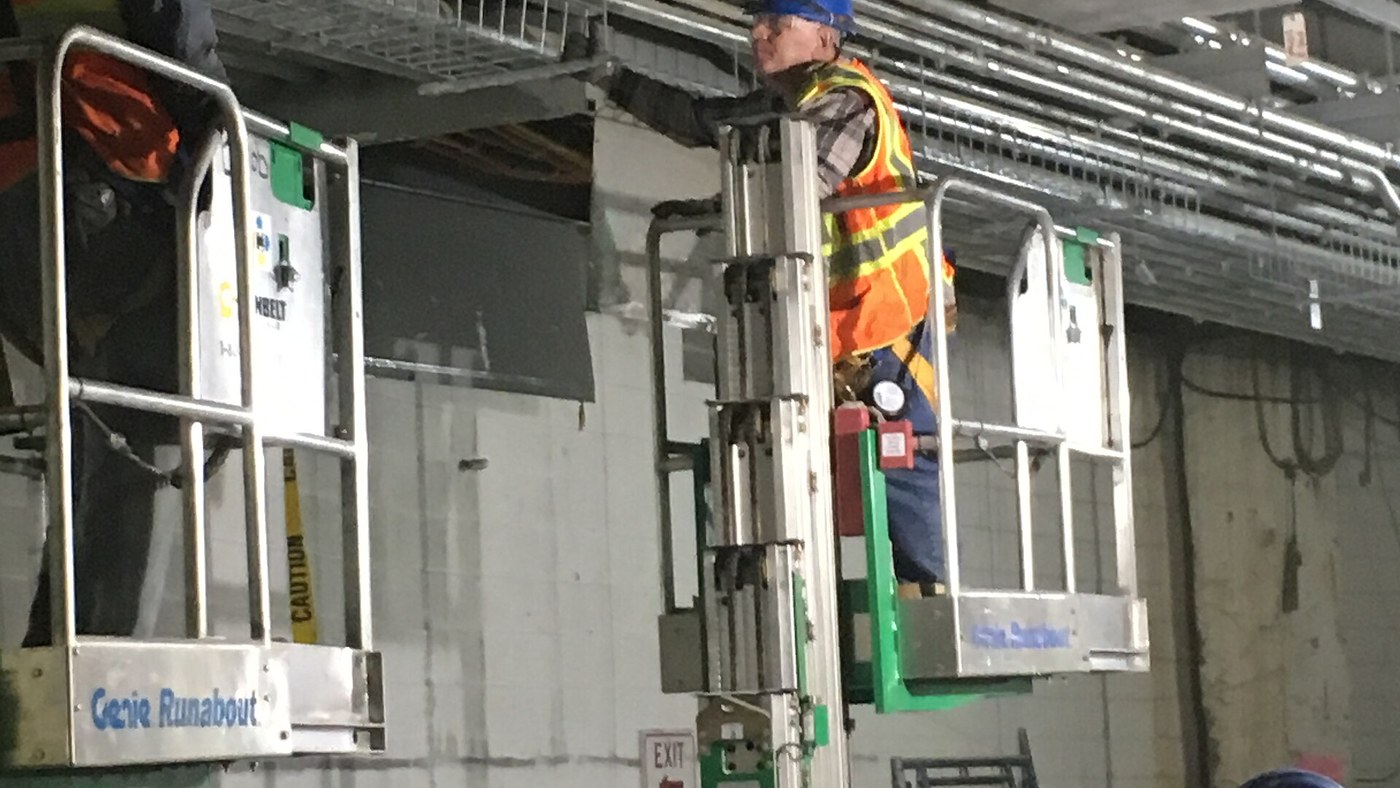
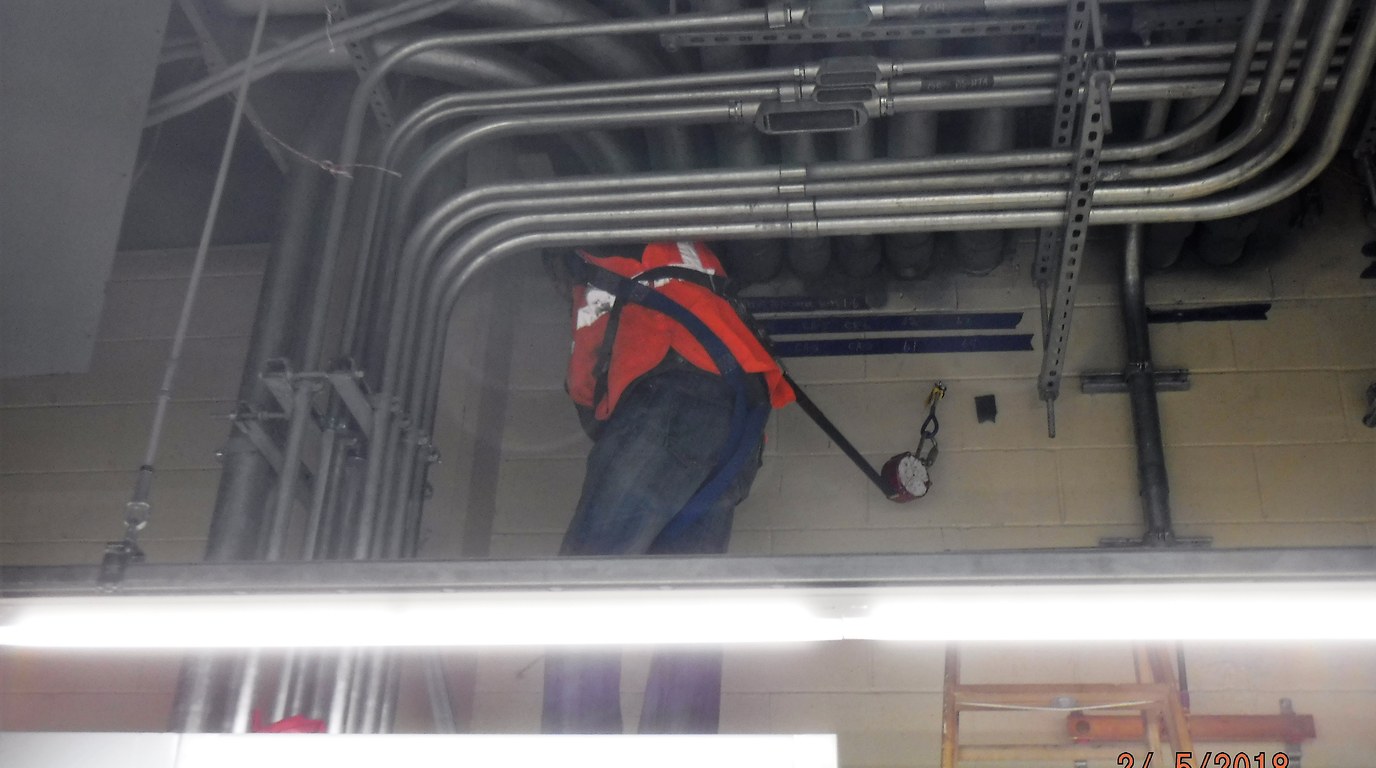
Installation context: overhead cable trays show why spacing, route clarity, and inspection access matter. Source: Wikimedia Commons, MTA Capital Construction Mega Projects, CC BY 2.0.
Field Case
Standardizing Cable Tie Selection for Trackside Signal and Rail Electrical Routes
Application: Trackside electrical cabinets, cable tray routes, and rail maintenance kits.
Problem: Mixed tie materials made it difficult to confirm fire performance, outdoor durability, and future inspection consistency.
Solution: CableTiesMFG recommended PA66V0 or LSZH ties for documented interior and cabinet routes, stainless steel for severe-duty tray fixing, and releasable ties for maintenance zones.
Result: The project created clearer selection rules by zone, simplified procurement discussion, and made maintenance documentation easier.
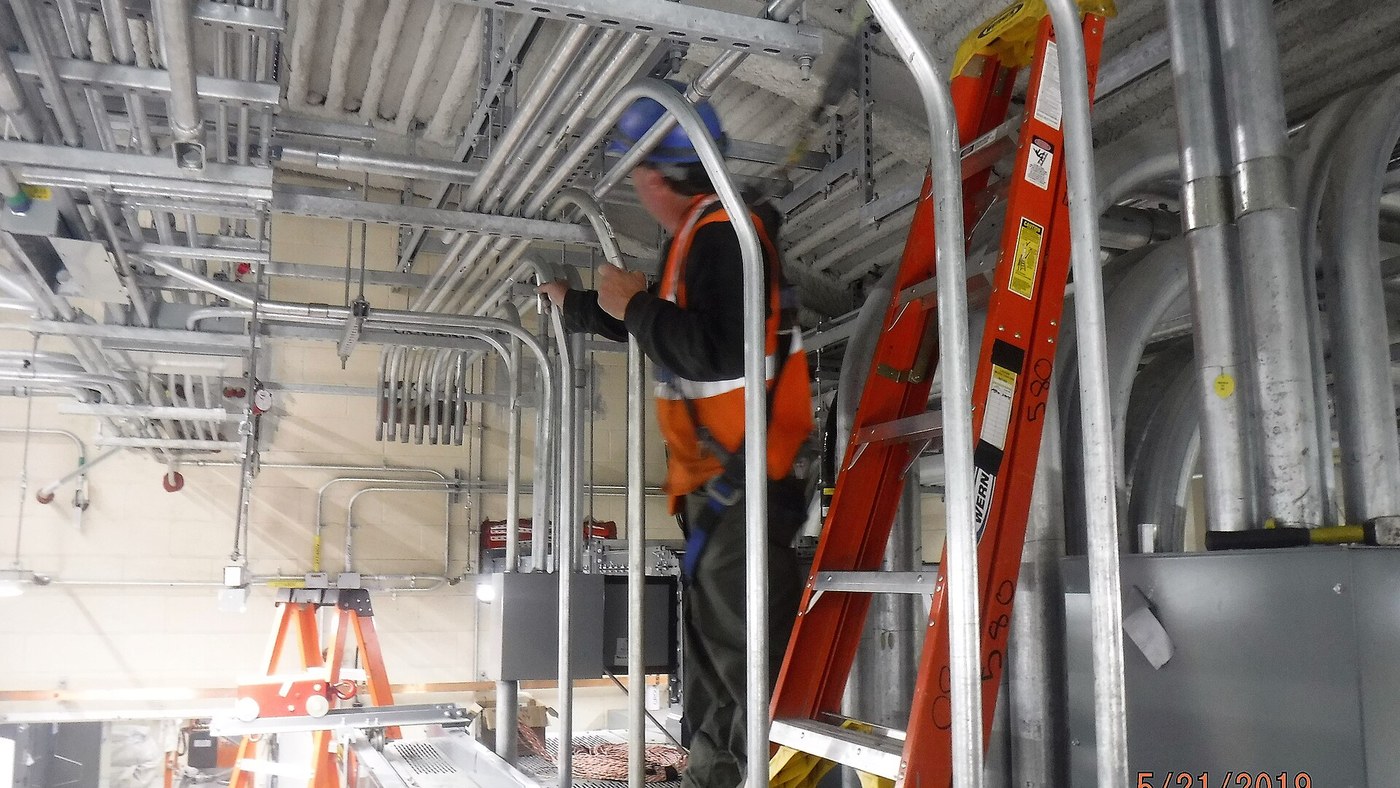
Rail electrical field case context: SCADA cabinet conduit and control-wire routing. Source: Wikimedia Commons, MTA Capital Construction Mega Projects, CC BY 2.0.
Why Choose CableTiesMFG
Rail Material Options
PA66V0, LSZH, halogen-free, PEEK, stainless steel, releasable ties, mounts, and labels.
Compliance Support
Material records, UL94 guidance, EN 45545-2-oriented discussion, RoHS/REACH, and batch traceability.
Zone-Based Selection
Recommendations for rolling stock, tunnels, signal cabinets, substations, and trackside routes.
One-Stop Supply
Cable ties, cable protection, heat shrink, terminals, cable glands, markers, and installation accessories.
FAQ
What cable ties are suitable for railway applications?
Railway applications commonly require PA66V0, LSZH, PEEK, or stainless steel ties depending on fire-safety, temperature, vibration, and exposure requirements.
What is EN 45545-2 and why does it matter?
EN 45545-2 is a European railway fire-safety standard. It matters because cable tie materials in passenger and tunnel environments may need proof of flame, smoke, toxicity, and heat-release performance.
Can stainless steel ties be used in railway tunnels?
Yes. Stainless steel ties are often considered for tunnel, trackside, and severe-duty routes where non-combustible metal fixing and high mechanical strength are important.
Do you provide railway cable tie kits?
Yes. CableTiesMFG can recommend mixed railway kits with PA66V0, LSZH, PEEK, stainless steel, releasable ties, mounts, labels, and documentation support.
Quality & Documentation
Railway sourcing often depends on documentation as much as the product. Prepare the correct package before sample approval or vendor qualification.
- Material grade statement
- UL94 / flame rating data
- EN 45545-2 report where required
- RoHS / REACH statement
- Batch and packing records
RFQ Information Needed
Rail Zone
Rolling stock interior, passenger system, traction equipment, signal cabinet, tunnel, trackside, or substation route.
Technical Needs
Hazard level, fire rating, smoke/toxicity need, temperature, cable diameter, vibration, UV exposure, and inspection cycle.
Commercial Details
Quantity, sample request, project documentation, packaging, delivery window, private-label needs, and approval schedule.
Related Product and Technical Links
How to Specify Cable Management for a Railway Project
Work through the points below for the route you are equipping. Confirm each item so the cable management matches the rail zone, the cable route and the operating conditions before a quote is prepared.
Rolling-stock, trackside or signaling context
Confirm whether the route serves rolling stock, trackside equipment or signaling, since the rail zone and the exposure differ between them.
Material and grade
Select from PA66V0, LSZH, PEEK or stainless steel depending on the fire-safety, temperature and mechanical strength the route requires.
Temperature
State the temperature range along the route, including heat close to equipment and cold outdoor conditions, so material options can be matched.
Vibration and movement
Note where the route experiences continuous vibration or movement, because vibration loosening is reviewed separately from static routes.
Fire-safety and documentation requirements
Confirm the fire-safety requirement the project specifies and list the material or compliance documents the buyer needs with the enquiry.
Bundle dimensions
Provide the cable outside diameters and the number of cables per bundle, together with the mounting points along the route.
Mounting and routing method
Describe whether the route runs on the vehicle body, under-car, trackside or within a signal housing, and whether rails, ducts or mounts are used.
Quantity and packaging
Confirm the components needed per route and the packing format required for the project.
Railway Cable Management FAQ
What should I confirm before specifying cable management for a railway project?
Confirm whether the route serves rolling stock, trackside equipment or signaling, because the rail zone and exposure differ. Then confirm the material, the cable dimensions, the temperature and vibration conditions, and the fire-safety and documentation requirements the project specifies.
Which cable bundle dimensions should I provide?
Provide the cable outside diameters and the number of cables per bundle, together with the mounting points along the route. These determine the tie length and width, and the size of any mount or fixing used.
How should vibration and movement affect selection?
Routes exposed to continuous vibration and movement are reviewed for retention, since vibration loosening is a known issue on rail vehicles and trackside installations. Confirm where the route experiences movement and whether a metal fixing or heavier-duty tie is needed.
What temperature conditions should be reviewed?
Note the temperature range along the route, including heat close to equipment and cold outdoor conditions, because the material is confirmed against the conditions it operates in. State the applicable range for the project so material options can be matched.
Which fire-safety and documentation requirements should be confirmed?
Confirm the fire-safety requirement the project specifies and list the documents the buyer needs, such as material or compliance documentation, with the enquiry. These requirements are confirmed against the project specification rather than assumed for the range.
How should mounting and routing be described for repeat projects?
Describe whether the route runs on the vehicle body, under-car, trackside or within a signal housing, the mounting surface available, and whether rails, ducts or mounts are used. Recording the rail zone, material and fixings per route lets the same specification be referenced for repeat orders.
Contact Us
Send us your rail zone, EN 45545-2 or UL94 requirement, cable diameter, temperature range, vibration exposure, documentation needs, and expected quantity. Our team will recommend the right railway cable tie combination for your project.