HVAC Solution
HVAC Cable Tie Solutions for Rooftop Units, Mechanical Rooms and Ductwork
UV-resistant, heat-stable, releasable, and stainless steel cable tie solutions for HVAC rooftop equipment, air handling units, duct sensors, control wiring, condensate pumps, and mechanical-room cable routing.
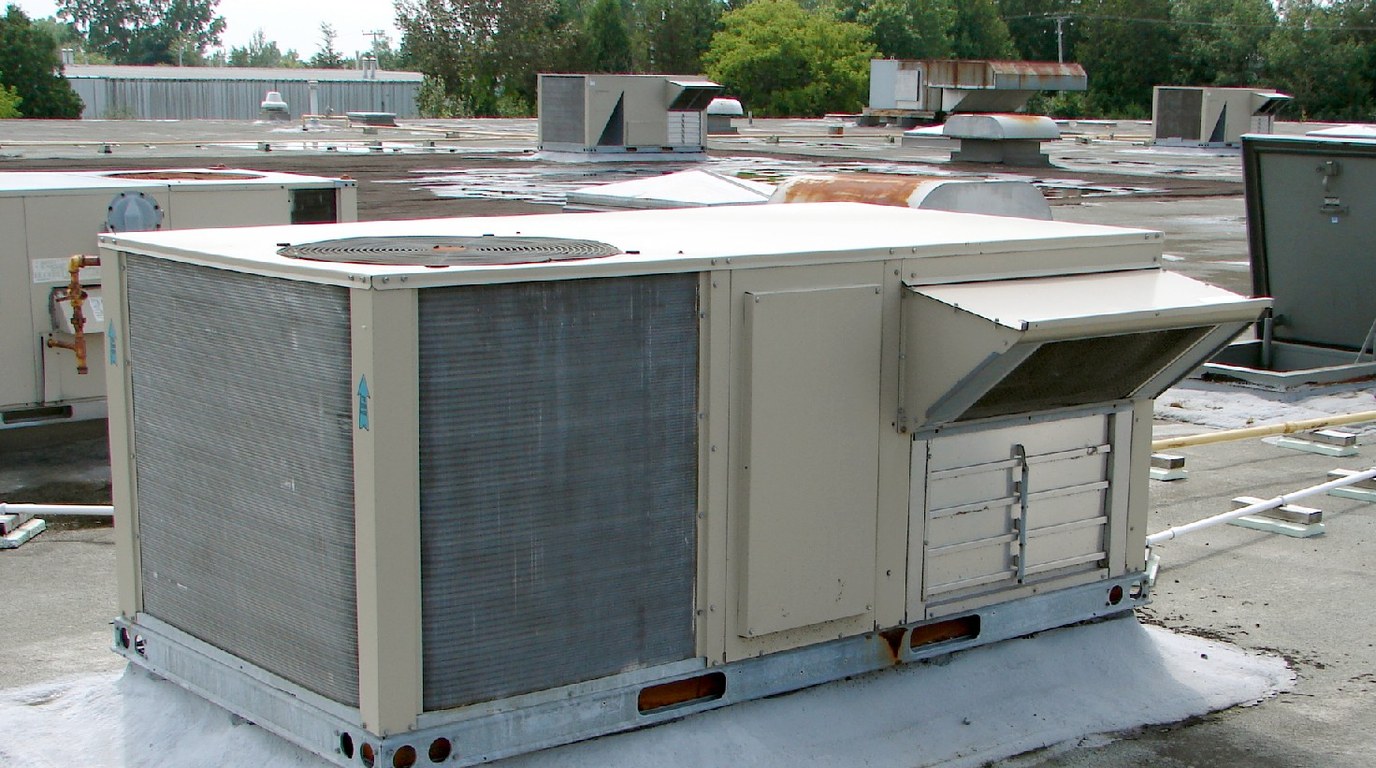
HVAC rooftop context reference: outdoor equipment areas need UV-resistant ties, controlled routing, and service-friendly fixing.
Procurement Snapshot
Best Fit Buyers
HVAC contractors, MEP installers, building maintenance teams, equipment OEMs, facility managers, ductwork contractors, and electrical distributors.
Main Decision Factors
Outdoor UV exposure, plenum or mechanical-room temperature, vibration, moisture, chemical cleaners, service access, and local fire-safety requirements.
Documents to Request
Material grade, UV rating, UL94 flame rating, RoHS/REACH, tensile strength, operating temperature, and sample packs for installation testing.
Common Order Format
Rooftop maintenance kits, mechanical-room installation packs, control-cabinet tie sets, or OEM/private-label cartons.
Industry Introduction
HVAC systems use cable ties in rooftop packaged units, air handling units, duct sensors, dampers, control panels, condensate pumps, pipe insulation zones, and mechanical rooms. The tie must hold cables neatly without blocking service access or damaging insulation and cable jackets.
Unlike simple indoor wiring, HVAC cable management faces sunlight, vibration, condensation, heat, cold starts, sheet-metal edges, and repeated maintenance. A good HVAC cable tie program separates outdoor UV fixing, indoor control wiring, hot mechanical-room areas, and serviceable equipment zones.
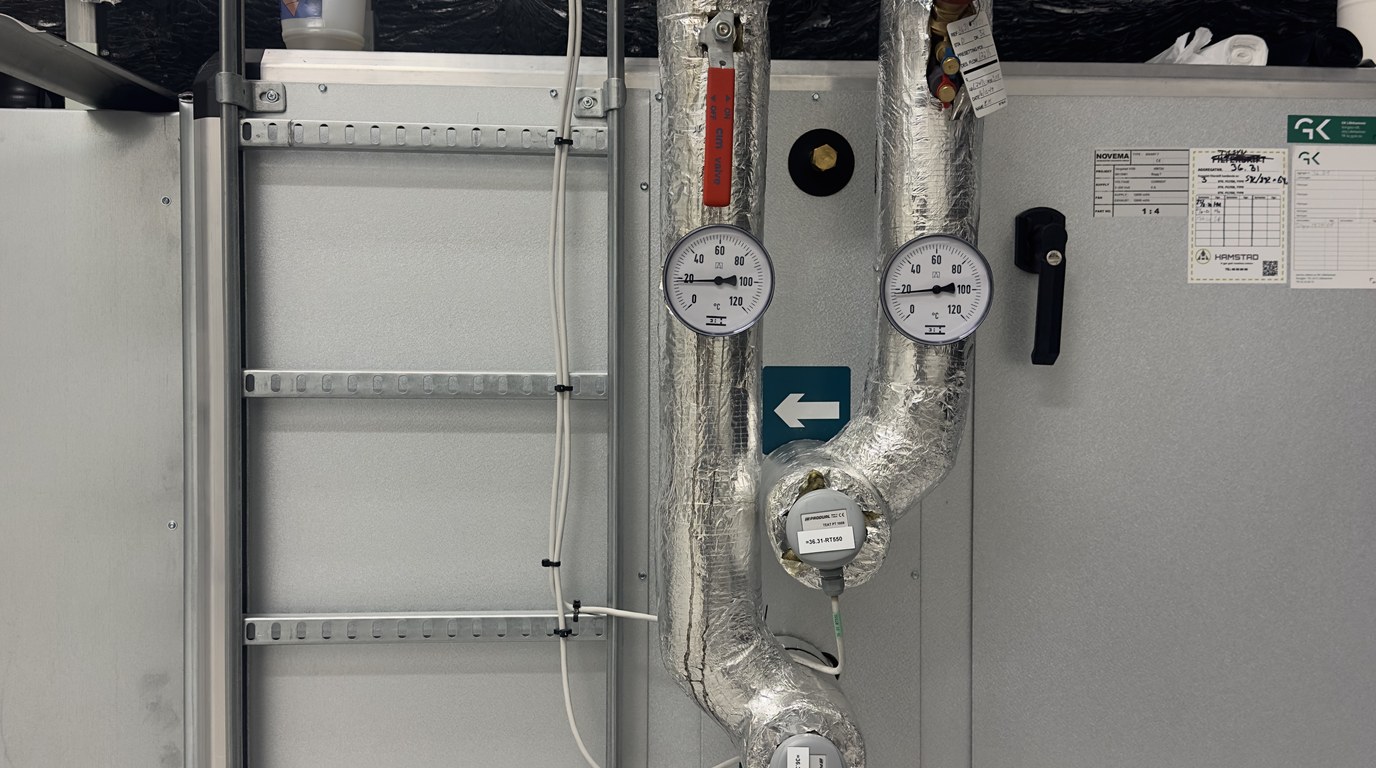
Mechanical-room context reference: ducts, pipes, ladders, panels, and service paths require cable routing that stays tidy and accessible.
Industry Pain Points
UV Cracking on Rooftops
Indoor-grade ties can become brittle on rooftop units, exposed conduits, and outdoor sensor wiring.
Service Access Problems
Permanent ties around access panels, dampers, or service loops slow down maintenance and inspection.
Heat and Moisture Aging
Mechanical rooms, hot pipes, condensate zones, and air handlers can accelerate material aging.
Sharp Metal Edges
Unprotected cable routing near sheet metal, duct edges, tray slots, and brackets can cause jacket wear.
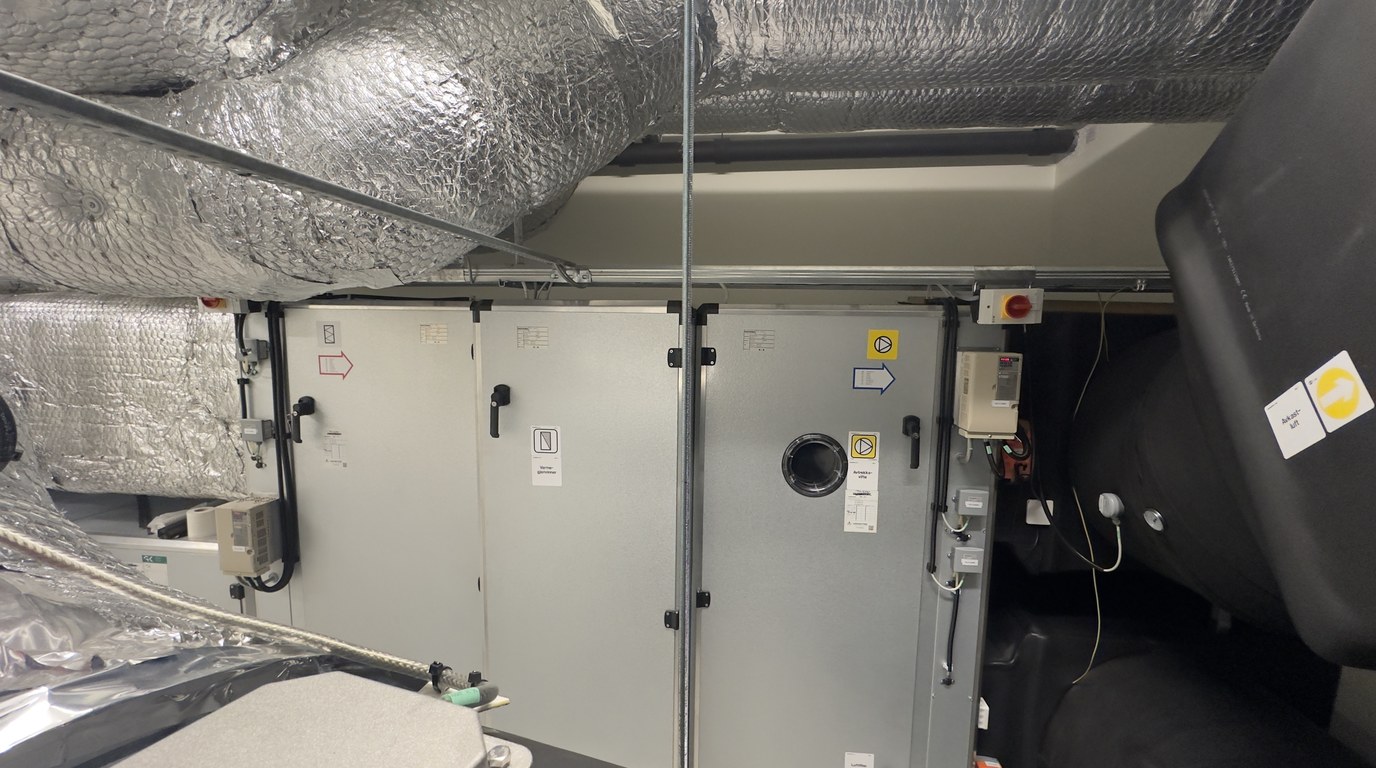
HVAC plant-room context reference: choose tie material by exposure zone instead of using one basic tie everywhere.
On-Site Problem Analysis
Most HVAC tie failures happen because the installation treats all zones the same. Rooftop wiring needs UV resistance; control panels need neat routing and easy rework; hot equipment areas may need higher temperature materials; exposed metal brackets may need stainless steel or protective routing.
- Rooftop units: sunlight, rain, vibration, and seasonal temperature cycling.
- Mechanical rooms: heat, condensation, cleaning chemicals, and dense service paths.
- Duct sensors and dampers: small control cables need secure but non-crushing support.
- Control cabinets: cable grouping must stay readable for diagnostics and future changes.
Recommended Solution
Use a zone-based HVAC cable tie selection system. Apply UV-resistant black nylon ties for rooftop and outdoor equipment routes. Use releasable ties where service access is expected. Use stainless steel ties near hot equipment, exposed metal structures, or harsher mechanical-room routes. Use natural or black nylon ties for indoor control wiring where temperature and fire-rating requirements are confirmed.
UV Black Nylon Ties
For rooftop packaged units, outdoor sensors, conduits, and exposed feeder/control wiring.
Releasable Ties
For air handler panels, service loops, damper wiring, and maintenance-heavy zones.
Stainless Steel Ties
For hot mechanical rooms, exposed brackets, high-strength fixing, and harsh environments.
Indoor Nylon Ties
For control cabinets, low-voltage wiring, sensor cables, and organized panel routing.
Solution Selector
Use this table to convert HVAC site conditions into a practical product starting point.
| Field Problem | Recommended Choice | When to Use |
|---|---|---|
| Rooftop cable ties crack after sun exposure | UV-resistant black nylon cable ties | Use on rooftop units, outdoor conduits, sensor wiring, and weather-exposed cable routes. |
| Maintenance team cuts ties during every service visit | Releasable cable ties | Use around access panels, service loops, damper controls, and equipment that needs frequent inspection. |
| Hot mechanical-room or exposed metal route | Stainless steel cable ties | Use where heat, metal edges, or higher mechanical strength make plastic ties risky. |
| Indoor control cabinet wiring needs tidy grouping | Natural or black nylon cable ties | Use for low-voltage control wiring after confirming temperature and flame-rating needs. |
Product Combination
Product images below are for product identification and material selection. HVAC environment images on this page are context references and are not presented as customer case photos.
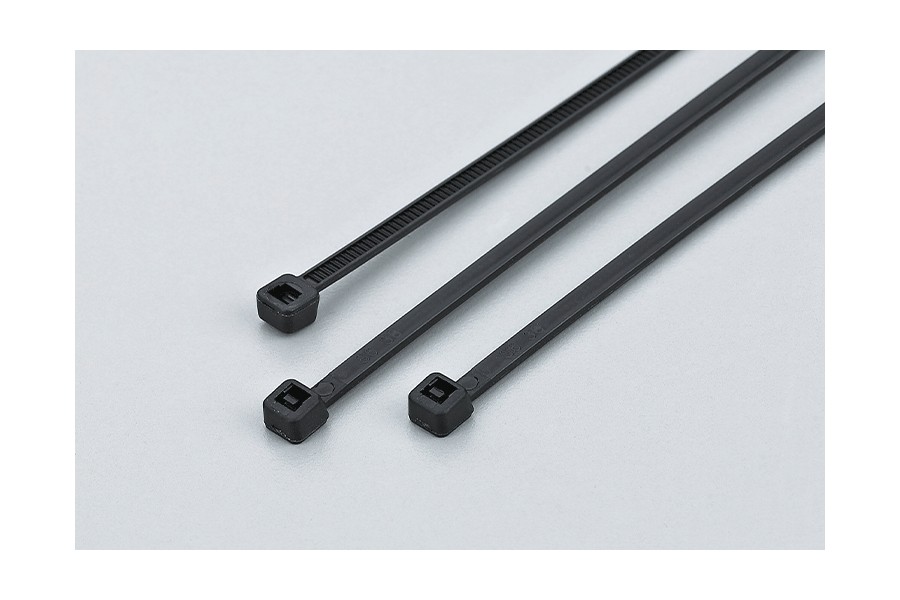
UV-Resistant Black Nylon Tie
For rooftop HVAC units, outdoor control wiring, conduits, and sensor cable routing.
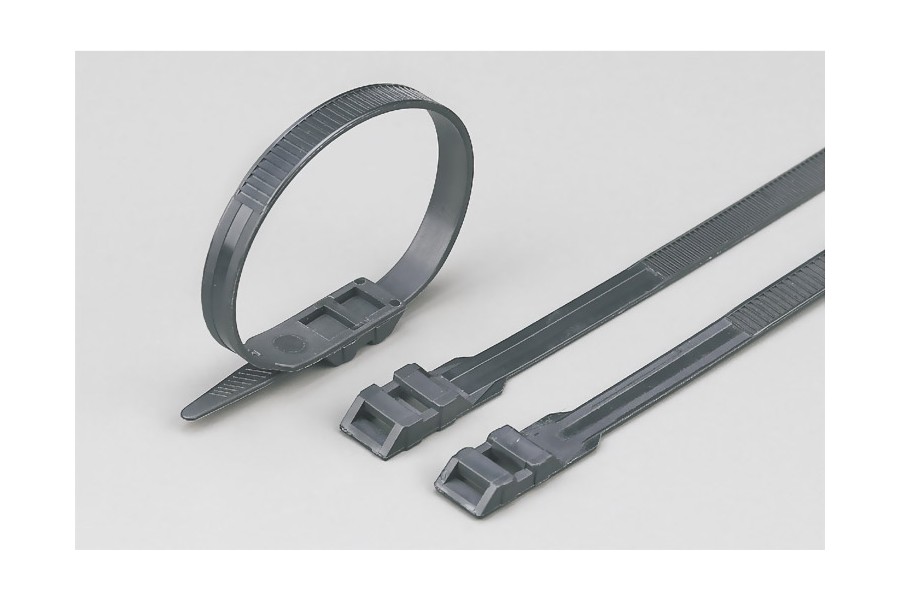
Releasable Heavy-Duty Tie
For service loops, access panels, damper wiring, and maintenance-friendly cable grouping.
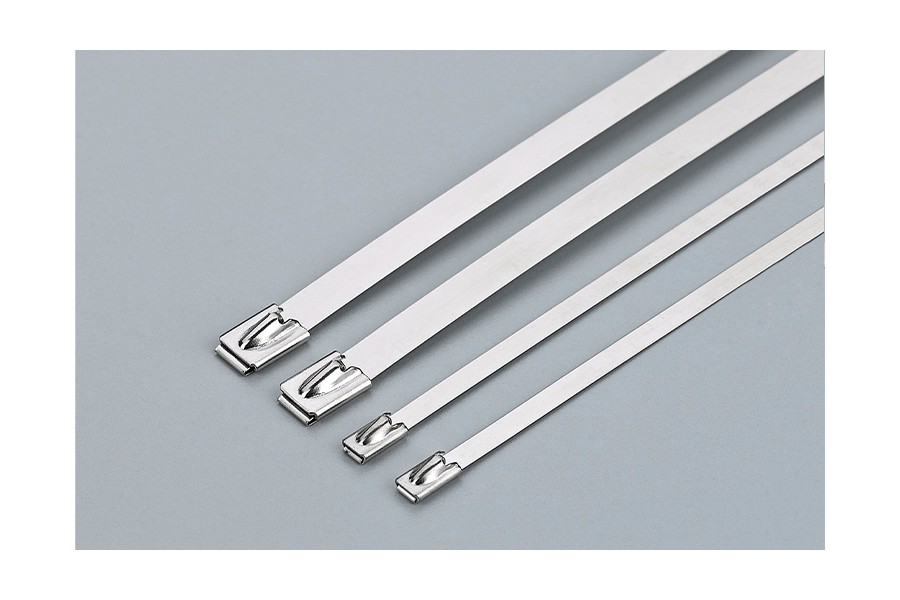
Stainless Steel Tie
For hot equipment areas, metal brackets, exposed mechanical-room routes, and severe-duty fixing.
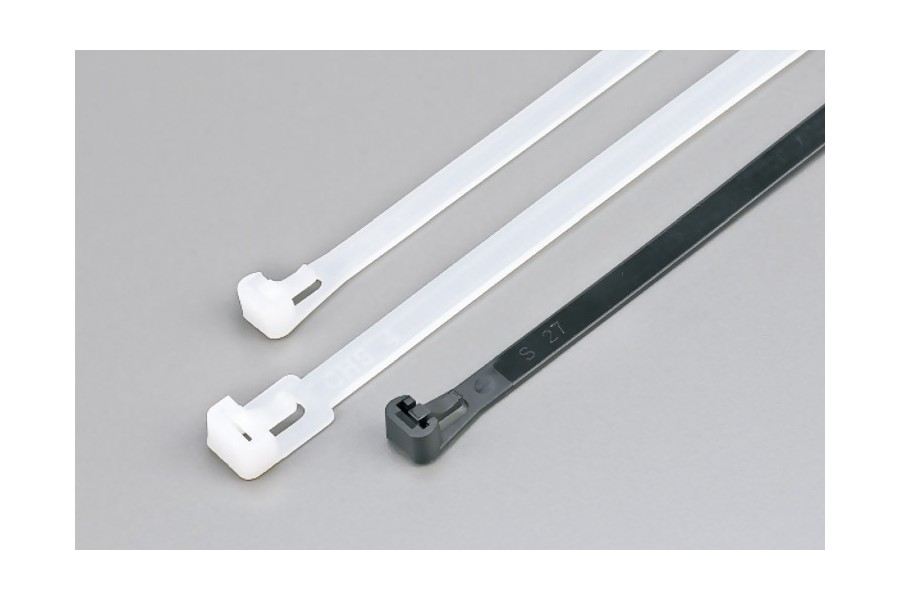
Indoor Nylon Tie Set
For control cabinets, low-voltage wiring, sensor cables, and panel organization.
| Application Zone | Recommended Products | Purpose |
|---|---|---|
| Rooftop packaged units | UV-resistant black nylon ties, mounting ties | Outdoor cable retention and weather exposure resistance |
| Air handling units and dampers | Releasable ties, standard nylon ties | Service access and neat sensor/control wiring |
| Mechanical rooms | Stainless steel ties, heat-stable nylon ties | Heat, moisture, and stronger mechanical fixing |
| Control cabinets | Natural/black nylon ties, marker ties, mounts | Readable wiring groups and maintenance-friendly routing |
Product Parameters
| Product Type | Material / Design | Performance Focus | Typical HVAC Use |
|---|---|---|---|
| UV-resistant black nylon tie | PA66 with carbon-black UV stabilization | Outdoor sunlight and weather exposure | Rooftop units, conduits, outdoor sensors |
| Releasable nylon tie | PA66 with release tab | Reusable service access and rework | Air handlers, damper wiring, service loops |
| Stainless steel tie | SS304 / SS316 | Heat, strength, chemical and outdoor durability | Mechanical rooms, hot pipes, exposed brackets |
| Indoor nylon tie | Natural or black PA66 | General cable grouping after rating check | Control panels and low-voltage wiring |
Final selection should consider local code, plenum/fire-rating needs, operating temperature, cable diameter, exposure, service interval, and installer preference.
Recommended SKU Set
| Suggested SKU | Product Role | Typical Spec Direction | Recommended Use |
|---|---|---|---|
| CT-HVAC-UVB | Outdoor rooftop tie | Black UV-resistant PA66, selected length and tensile class | Rooftop packaged units, conduits, sensor cable routing |
| CT-HVAC-REL | Serviceable tie | Releasable nylon tie, medium or heavy duty | Access panels, air handlers, dampers, service loops |
| CT-HVAC-SS | Severe-duty tie | SS304 or SS316 stainless steel | Hot mechanical rooms, exposed brackets, metal cable routes |
| CT-HVAC-CAB | Cabinet wiring tie | Natural/black PA66, marker or mount options | Control cabinets, low-voltage wiring, labels, and panel routing |
Installation Steps
- Classify the zone: rooftop, mechanical room, duct sensor route, control cabinet, or service loop.
- Choose material: match UV nylon, releasable nylon, stainless steel, or indoor nylon to the exposure.
- Protect cable jackets: avoid sharp sheet-metal edges and add edge protection or routing clearance where needed.
- Control tension: tighten enough to retain the cable, but do not crush insulation, control wires, or sensor leads.
- Preserve service access: leave clear access to filters, dampers, panels, valves, and removable covers.
- Document maintenance zones: note tie material and replacement interval for rooftop and high-temperature routes.
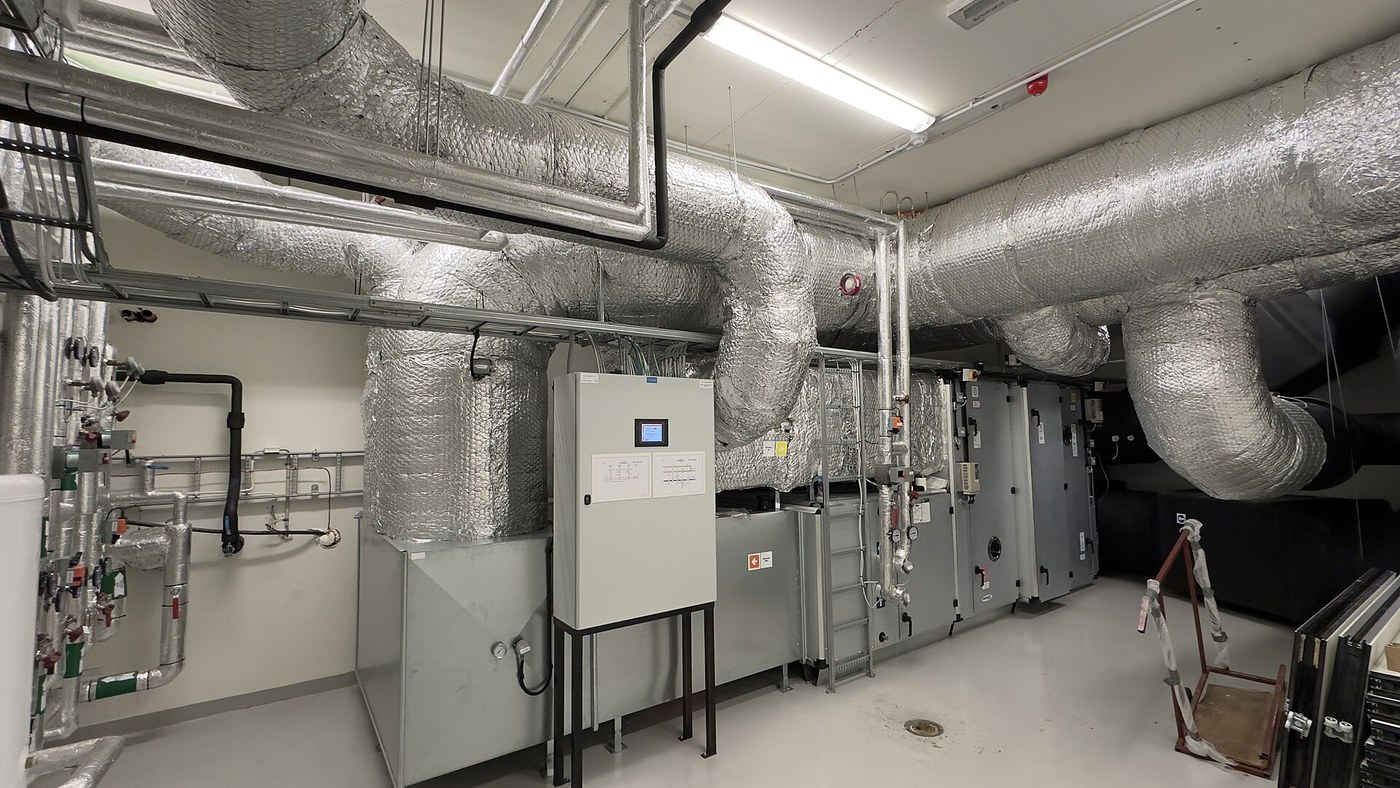
Mechanical-room context: ductwork, cable ladders, panels, and service paths show why routing must remain accessible. Source: Wikimedia Commons, Wolfmann, CC BY-SA 4.0.
Field Case
Standardizing Cable Tie Selection for Rooftop HVAC Maintenance Kits
Application: Rooftop packaged units, control wiring, duct sensors, and mechanical-room service routes.
Problem: A single indoor-grade tie was being used across rooftop and indoor zones, causing brittle ties outdoors and unnecessary cutting during service visits.
Solution: CableTiesMFG recommended UV-resistant black ties for rooftop routes, releasable ties for service loops, stainless steel ties for hot/exposed equipment, and standard nylon ties for indoor control cabinets.
Result: The maintenance kit became easier to specify by zone, installers reduced rework, and future replacement choices became clearer.
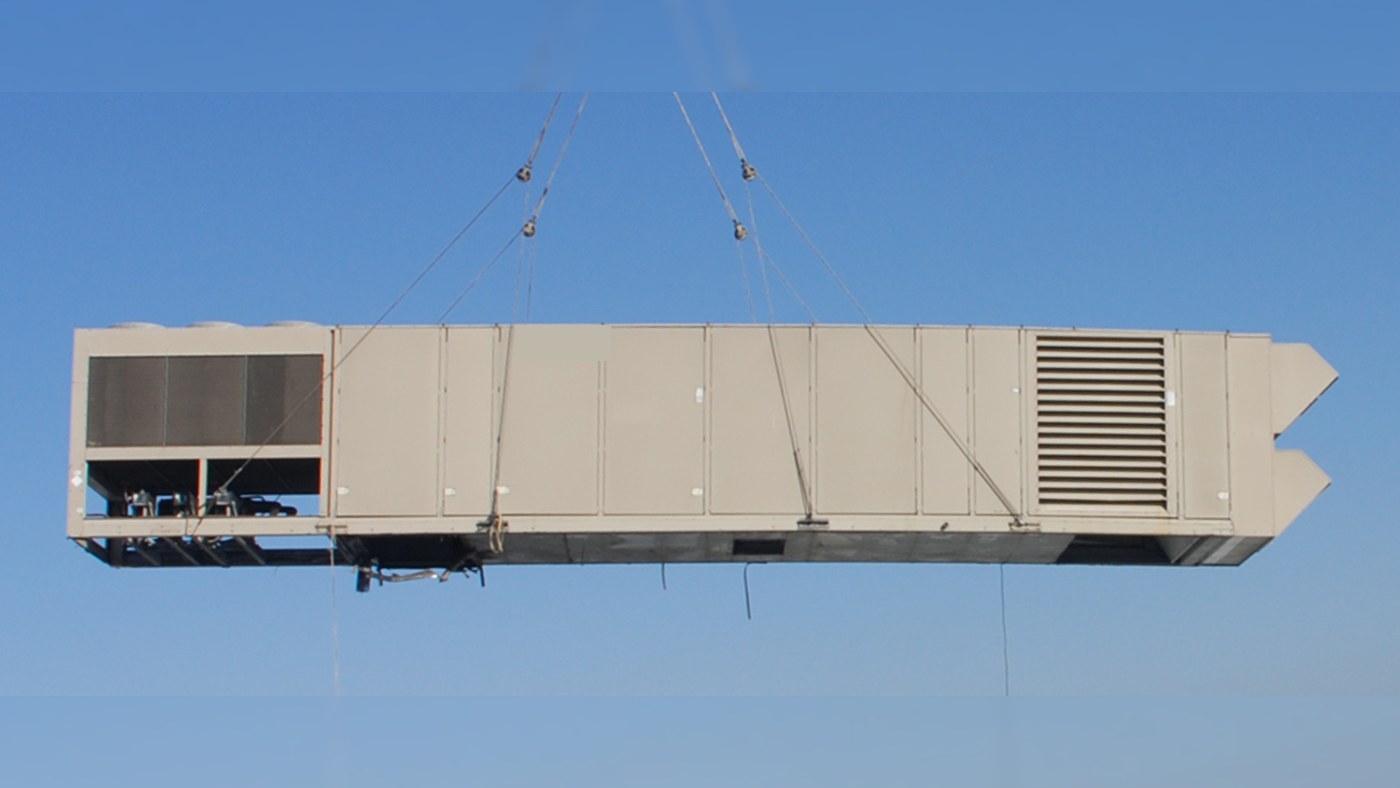
Rooftop HVAC maintenance context: outdoor equipment zones need UV-resistant materials and service-friendly routing. Source: Wikimedia Commons, public domain; brand text removed.
Why Choose CableTiesMFG
HVAC Zone Logic
Selection guidance for rooftop units, ducts, air handlers, mechanical rooms, and control panels.
Material Range
UV nylon, PA66, releasable ties, stainless steel, marker ties, mounts, and cable protection accessories.
OEM & Contractor Supply
Support for installation kits, maintenance packs, private-label bags, and distributor cartons.
Documentation Support
Material data, UV and flame-rating discussion, tensile data, RoHS/REACH, and sample testing support.
FAQ
What cable ties are best for rooftop HVAC units?
Use UV-resistant black nylon cable ties for most rooftop HVAC cable routing. For hot or harsher metal fixing points, stainless steel ties may be a better option.
Should HVAC service loops use releasable ties?
Yes. Releasable ties help technicians open, inspect, and re-route wiring without cutting a new tie during every service visit.
Can stainless steel ties be used in mechanical rooms?
Yes. Stainless steel ties are suitable for hot equipment areas, exposed metal brackets, and high-strength fixing where nylon ties may age faster.
Do you provide HVAC cable tie kits?
Yes. CableTiesMFG can provide HVAC kits combining UV-resistant black ties, releasable ties, stainless steel ties, mounting bases, marker ties, and documentation.
Quality & Documentation
HVAC buyers often need simple documentation for material selection, maintenance records, and project approval.
- Material grade statement
- UV-resistant option
- UL94 flame-rating data
- RoHS / REACH statement
- Sample and batch records
RFQ Information Needed
Application Zone
Rooftop unit, air handler, duct sensor route, control panel, condensate pump, mechanical room, or exposed bracket.
Technical Needs
Cable diameter, bundle size, temperature range, UV exposure, moisture, service interval, fire-rating requirement, and preferred tie length.
Commercial Details
Quantity, sample request, installation kit needs, packaging, logo/private-label requirements, and delivery schedule.
Related Product and Technical Links
How to Specify Cable Management for an HVAC Project
Work through the points below for the installation you are equipping. Confirm each item so the cable management matches the HVAC equipment, the cable route and the conditions at the site before a quote is prepared.
HVAC equipment and ductwork context
Confirm whether the route serves rooftop units, condensers, chillers, air handlers, control panels or ductwork, and where the equipment is located.
Material
Select UV-resistant black nylon for rooftop and outdoor runs, indoor nylon for conditioned spaces, releasable ties where service access is needed, and stainless steel where heat, moisture or sharp metal edges are present.
Temperature
Note the temperature the route is exposed to, since rooftop heat and moisture aging are reviewed separately from indoor conditioned spaces.
Bundle dimensions
Provide the bundle diameter and the number of cables or control lines per bundle, together with the mounting points along the route.
Mounting method
Confirm whether ties are fixed to a mounting base, tied around the duct or pipe, or secured to the panel or frame, and the fixing point spacing along the route.
Indoor and outdoor exposure
State whether the runs are indoors or on the roof, since UV, rain and condensate exposure change the material selected.
Installation access
Confirm whether service access is needed at the fixing point, and note sharp metal edges along the route that the cable must be kept clear of.
Quantity, packaging and documentation
Confirm the components needed per installation, the packing format required, and any documentation the project specifies.
HVAC Cable Management FAQ
What should I confirm before specifying cable management for an HVAC project?
Confirm which equipment the route serves, whether rooftop units, condensers, chillers, air handlers, control panels or ductwork, and whether the runs are indoors or on the roof. Then confirm the material, dimensions and mounting method the installation needs.
Which bundle dimensions should I provide?
Provide the bundle diameter and the number of cables or control lines per bundle, together with the mounting points along the route. These determine the tie length and width and the size of any mounting base used.
How should temperature and outdoor exposure affect material selection?
Rooftop and condensate areas expose ties to UV, heat and moisture, where UV-resistant black nylon or stainless steel is the usual starting point. Indoor conditioned runs may use standard indoor nylon ties instead.
What mounting method should I specify?
Confirm whether ties are fixed to a mounting base, tied around the duct or pipe, or secured to the panel or frame. The mounting method is confirmed with the mounting surface and the fixing point spacing along the route.
How should installation access and routing be described?
Describe whether service access is needed at the fixing point, since releasable ties can be reopened for maintenance instead of being cut. Confirm the route, the sharp edges to avoid, and the fixing point spacing.
How can the specification support repeat HVAC installations?
A confirmed specification records the equipment served, the material, dimensions and mounting method used, so the same configuration can be referenced for repeat installations or maintenance kits. Packaging and the required documentation can be listed per kit for repeat ordering.
Contact Us
Send us your HVAC zone, cable diameter, tie length, temperature range, UV exposure, service access needs, documentation requirements, and expected quantity. Our team will recommend the right HVAC cable tie combination for your installation or maintenance kit.